

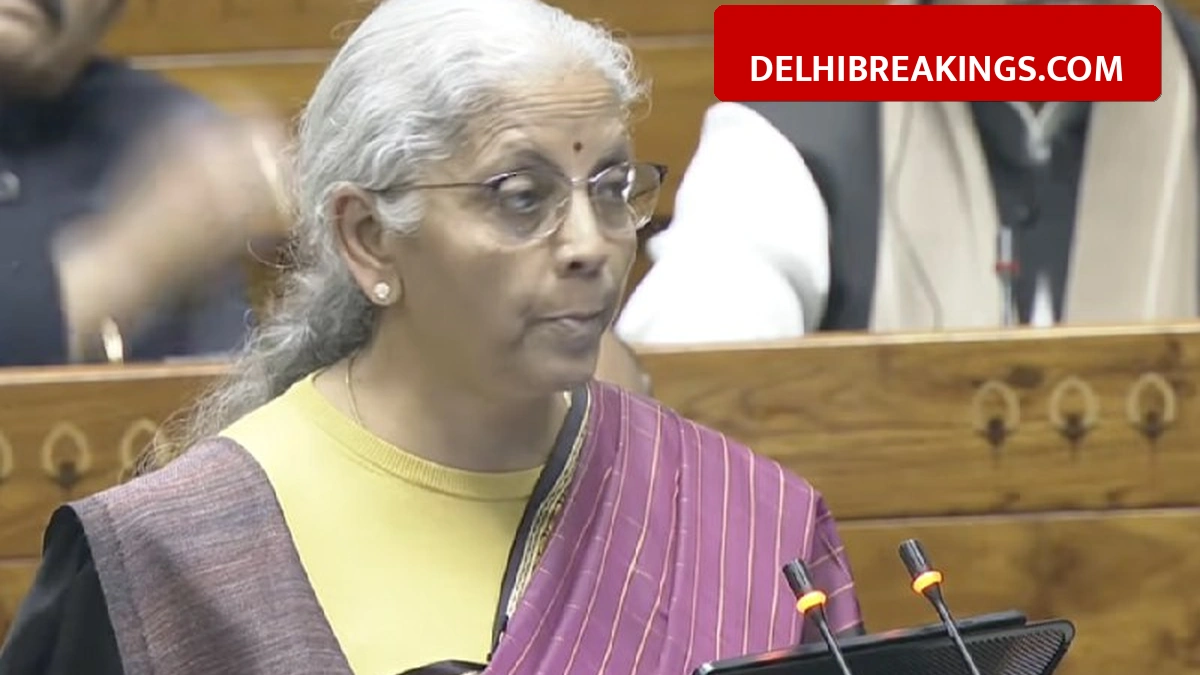
Finance Minister Nirmala Sitharaman presented the Union Budget 2026-27 on February 1 and made a significant announcement regarding the mining sector. She proposed the establishment of dedicated Rare Earth Magnet Corridors in four specific states. These corridors will be set up in Tamil Nadu, Kerala, Odisha, and Andhra Pradesh. This initiative is designed to increase domestic production and reduce the country’s heavy reliance on imports for these critical components.
What is the financial plan for this project?
The government has prepared a strong financial framework to support this initiative. The Union Cabinet approved a scheme worth ₹7,280 crore specifically for Sintered Rare Earth Permanent Magnets. A large portion of this fund, amounting to ₹6,450 crore, is set aside for sales-linked incentives over a period of five years.
Additionally, ₹750 crore has been allocated as a capital subsidy to assist in setting up integrated manufacturing facilities. In a separate move, the Kerala state government also announced a ₹42,000 crore corridor project connecting Vizhinjam port to Chavara and Kochi. This state-level project expects to create around 50,000 jobs.
How will the government select companies?
The selection process for this scheme will be very transparent and competitive. The government aims to select up to five beneficiaries through a Global Competitive Bidding process. They will use a system that checks both technical and financial bids to find the best options.
The entire program has a timeline of seven years. This includes a two-year period for setting up the facilities and a five-year period for giving out incentives. To speed things up, a separate window for project clearances has been created on the PARIVESH Portal. These projects are considered strategically important, which allows them to bypass certain public hearing delays.
Which organizations are involved in this mission?
Several key organizations will work together to make this mission successful. The Ministry of Finance, Ministry of Mines, and Ministry of Heavy Industries are the main central bodies leading the charge. Public Sector Undertakings like IREL (India) Limited and NMDC will handle the mining and exploration work.
For technology and research, the Non-Ferrous Materials Technology Development Centre (NFTDC) will provide support. At the state level in Kerala, entities like KMML and KELTRON are actively involved. The overall goal is to reach a manufacturing capacity of 6,000 Metric Tons Per Annum to meet national demands.
