

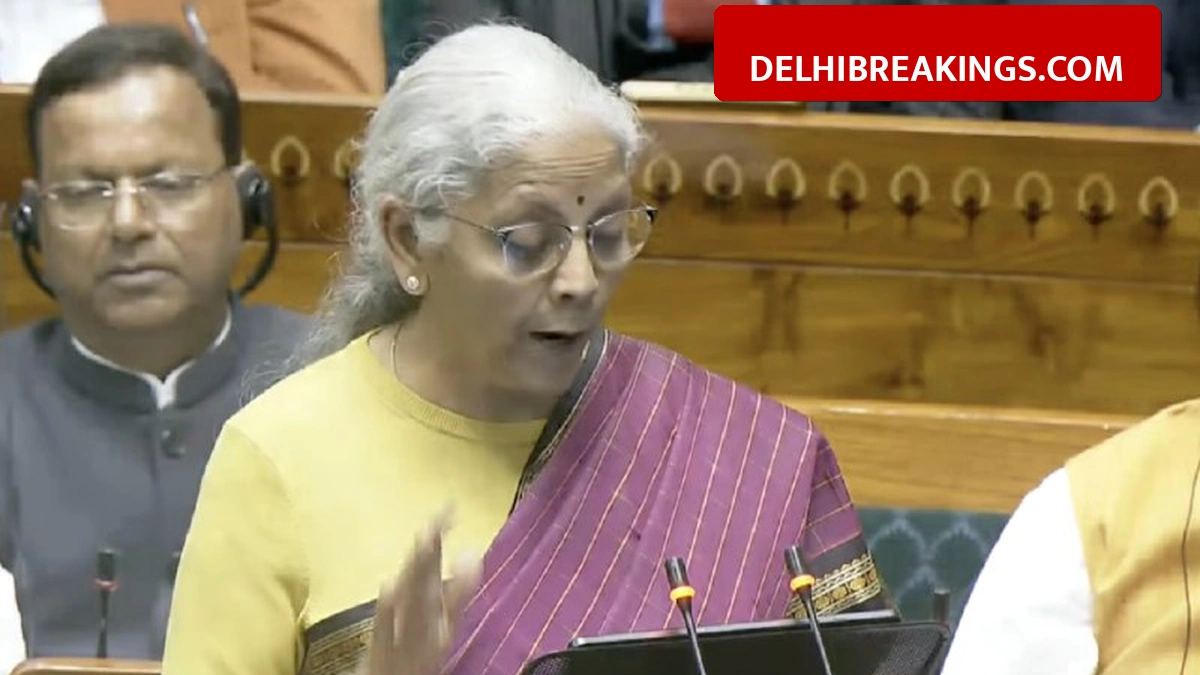
Finance Minister Nirmala Sitharaman officially announced the launch of India Semiconductor Mission (ISM) 2.0 during the Union Budget 2026-27 on February 1, 2026. The government has allocated a significant outlay of Rs 40,000 crore for this new phase. This mission builds upon the foundation of ISM 1.0 and aims to widen the country’s capabilities in the electronics and chip sector beyond just manufacturing units.
खबर में पढ़िए: Budget 2026: FM Sitharaman Announces 7 New High-Speed Rail Corridors, Big Boost for Patna and Odisha Waterways।
What is the new focus of ISM 2.0?
While the first phase focused heavily on setting up big factories known as fabs, the second phase looks at the entire ecosystem. The government will now focus on the production of equipment and raw materials required for making chips locally. This includes special chemicals, gases, and other essential supplies that were previously imported.
The ministry also plans to develop “full-stack” Indian Intellectual Property (IP). The clear goal is to create 25 strategic homegrown chipsets within the country. Additionally, new incentives will support the production of Silicon Carbide (SiC) wafers and special substrates to strengthen the local supply chain and reduce dependency on foreign vendors.
Budget allocations and future roadmap
The government has increased funding for several key areas to boost electronics manufacturing significantly. The budget for the ‘Electronics Components Manufacturing Scheme’ has been raised from Rs 22,919 crore to Rs 40,000 crore. IT Minister Ashwini Vaishnaw also mentioned that India has prepared a roadmap to manufacture advanced 2 nanometer (2nm) chips by the year 2035.
Here are the key financial details and targets from the announcement:
| Category | Amount/Target |
|---|---|
| ISM 2.0 Outlay | Rs 40,000 Crore |
| Design Linked Incentive (DLI) | Rs 5,000 Crore |
| SCL Mohali Upgrade | Rs 4,500 Crore |
| Training Target (2030) | 2.75 Lakh Experts |
