

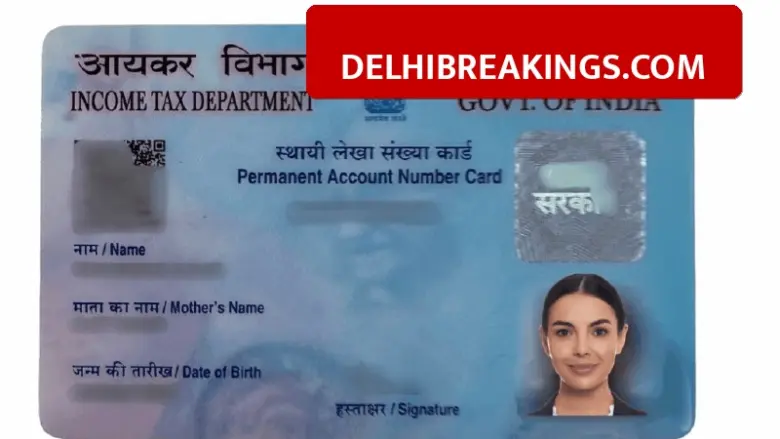
The Central Board of Direct Taxes (CBDT) has released the Draft Income Tax Rules, 2026, which bring significant updates to financial regulations in India. These new rules propose changes to the mandatory requirement of Permanent Account Number (PAN) for various high-value transactions. The government has invited public feedback until February 22, 2026, and the final rules are scheduled to come into effect from April 1, 2026.
ℹ️: Bitcoin Price Update: Crypto Trading at 62 Lakhs in India, Down 42% From Peak।
New Limits for Cash and Hotel Bills
The government has relaxed the norms for using PAN cards in daily lifestyle expenses. You will no longer need to provide a PAN for hotel, banquet, or restaurant bills unless the amount exceeds ₹1 lakh. Earlier, this limit was set at ₹50,000. A major change has also been introduced for banking transactions.
Previously, PAN was required for depositing more than ₹50,000 cash in a single day. The new rule replaces this with a yearly aggregate limit. Now, quoting PAN is mandatory only if your total cash deposits or withdrawals across one or more accounts amount to ₹10 lakh or more in a financial year.
Changes in Vehicle and Property Buying
Buying vehicles and property will also see adjusted documentation requirements under the new framework. The draft rules state the following changes:
- Vehicles: PAN is now mandatory for purchasing any motor vehicle (including two-wheelers) only if the price exceeds ₹5 lakh. Earlier, it was required for all cars regardless of price.
- Property: The threshold for mandatory PAN submission during the purchase, sale, or joint development of property has been raised from ₹10 lakh to ₹20 lakh.
- Insurance: A new rule makes PAN mandatory for starting any account-based relationship with an insurance company, irrespective of the premium amount.
Big Relief for HRA in 4 Cities
Salaried employees in specific cities will benefit from updated House Rent Allowance (HRA) norms. Bengaluru, Hyderabad, Pune, and Ahmedabad are now categorized as “Category 1” metro cities. This change allows residents in these cities to claim a 50% HRA tax exemption, matching the status of Delhi, Mumbai, Kolkata, and Chennai.
Additionally, the tax-exempt limit for monthly motor allowance has been defined. For official cars with engines up to 1600cc, the allowance is exempt up to ₹8,000, and for engines above 1600cc, the limit is ₹10,000.
