

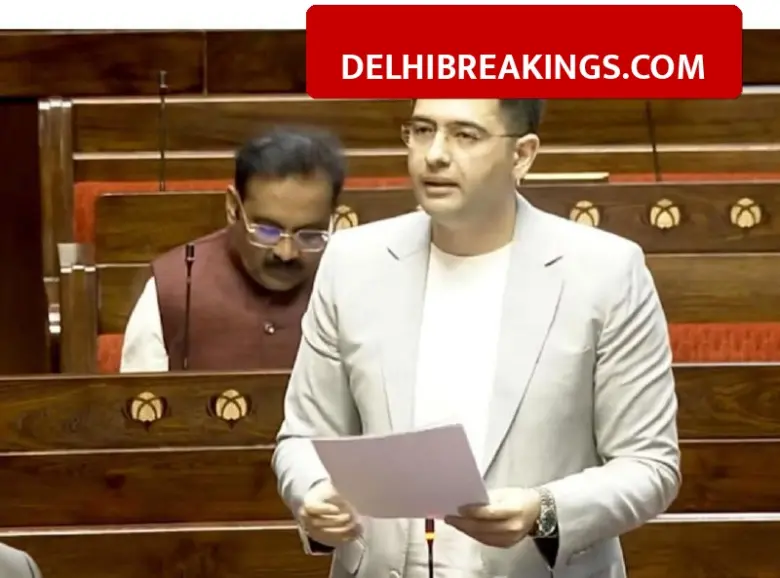
Aam Aadmi Party MP Raghav Chadha raised a significant demand during the Budget Session 2026 in the Rajya Sabha on February 11. He proposed the implementation of a Right to Recall law in India. This law would allow voters to remove their elected representatives, including MPs and MLAs, before their five-year term ends if they fail to perform or fulfill their duties. Chadha stated that five years is a very long period for citizens to tolerate a non-performing leader.
🗞️: Bharat Bandh Today: Banking Services Hit and JEE Main Result Delayed to February 16।
How the Right to Recall law will work?
The proposed law aims to empower citizens by giving them the authority to de-elect a representative who neglects their constituency. Raghav Chadha compared this power to the existing mechanisms used for the impeachment of the President and judges. He noted that over 24 democracies around the world, including the US and Switzerland, already have such provisions. In India, this system currently exists at the Gram Panchayat level in states like Madhya Pradesh and Maharashtra.
Proposed rules and safeguards for the process
To ensure that the law is not misused for political vendetta, the AAP MP suggested a specific framework with several safeguards. The process would require a significant number of verified signatures and a formal voting process monitored by the Election Commission. The following table outlines the key rules proposed for the law:
| Feature | Details |
|---|---|
| Petition Threshold | 35% to 40% of registered voters must sign |
| Lock-in Period | No recall allowed for the first 18 months of term |
| Valid Grounds | Proven misconduct, corruption, or fraud |
| Final Removal | More than 50% voters must support recall in a vote |
Chadha described this law as an insurance policy for democracy. He mentioned that it would force political parties to nominate more accountable candidates. While the proposal caused some murmurs of dissent in the House, it was presented as a major step toward citizen empowerment.
