

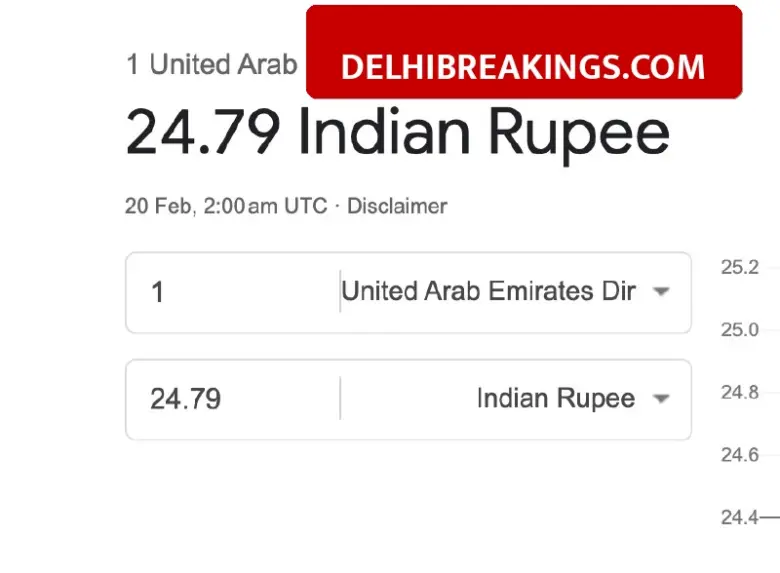
The Indian Rupee remains stable against major global currencies today, February 20, 2026. The Reserve Bank of India (RBI) is actively managing market volatility, aided by a strong foreign exchange reserve standing at $723.8 billion. While global demand for the dollar fluctuates, domestic fundamentals are providing necessary support to the currency, keeping the rates steady for travelers and expats.
Latest Exchange Rates for Major Currencies
The market shows slight movements in exchange rates over the last 24 hours. These figures represent mid-market rates, and actual bank transfer rates may vary slightly due to service fees and margins depending on the provider you choose.
| Currency | Rate (INR) | Change |
|---|---|---|
| USD to INR | ₹91.02 – ₹91.14 | +0.50% |
| AED to INR | ₹24.77 – ₹24.83 | +0.36% |
| SAR to INR | ₹24.19 – ₹24.32 | +0.52% |
| KWD to INR | ₹297.17 – ₹298.15 | +0.33% |
New RBI Guidelines and Transfer Rules
On February 19, 2026, the RBI released draft norms for foreign exchange dealings to boost competitiveness among Indian banks. Furthermore, amendments to FEMA regulations were notified on February 16, simplifying the framework for External Commercial Borrowings (ECB). For individuals using the Money Transfer Service Scheme (MTSS), there is a limit of $2,500 per transaction with a maximum of 30 transfers allowed in a year.
How to Get the Best Remittance Rate?
Experts recommend comparing rates before sending money to India. Authorized online transfer platforms often provide better value compared to traditional bank transfers. These services usually offer rates closer to the interbank exchange rate with lower hidden fees. Always check the live rate immediately before confirming any transaction, as currency values change every minute.
