

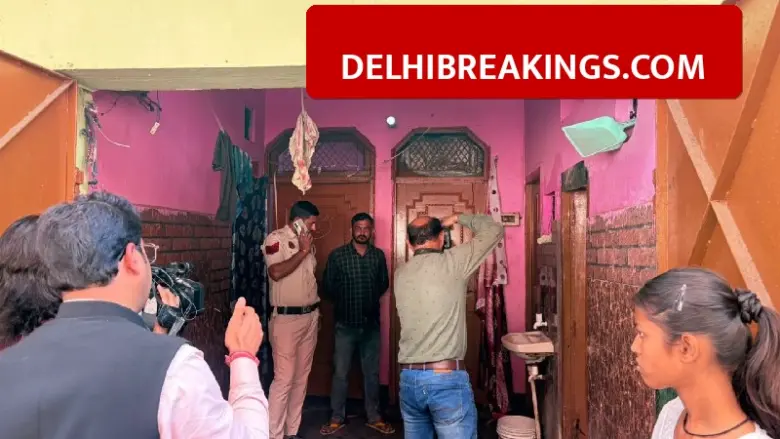
The Delhi Police arrested a 42-year-old vegetable vendor, Munchun Kewat, for allegedly killing his wife and three young daughters in their Siraspur home. The bodies were discovered on February 25, 2026, in a one-room rented house in Chandan Park. Following a 72-hour multi-state manhunt, the suspect was apprehended in Kishangarh, Rajasthan, where he was attempting to blend into the local labor force at a fruit market.
How did the police use technology to catch the suspect?
The investigation relied heavily on Delhi’s surveillance infrastructure and the Safe City Project technology. The police used several tools to track Kewat after he fled the crime scene:
- Officers scanned footage from over 800 CCTV cameras to map out the suspect’s escape route through the city.
- The Facial Recognition System (FRS) helped identify Kewat as he moved through public transport hubs.
- Technical surveillance of mobile data and train schedules allowed teams to track his movements across Bihar and Tamil Nadu.
- Special teams from the Samaypur Badli police station coordinated the arrest once he was located in Rajasthan.
What were the motives and details of the crime?
During the interrogation, the accused revealed that he was a habitual gambler involved in cricket betting. This led to high-interest debts from loan sharks who had reportedly threatened his family. The suspect admitted to planning the murders two days in advance. He purchased a large vegetable-cutting knife for 90 rupees specifically for the act. He told the police that he killed his three daughters, aged three, four, and five, because one of them witnessed him attacking his wife, Anita. The police have registered an FIR under Section 103(1) of the Bharatiya Nyaya Sanhita for murder.
