

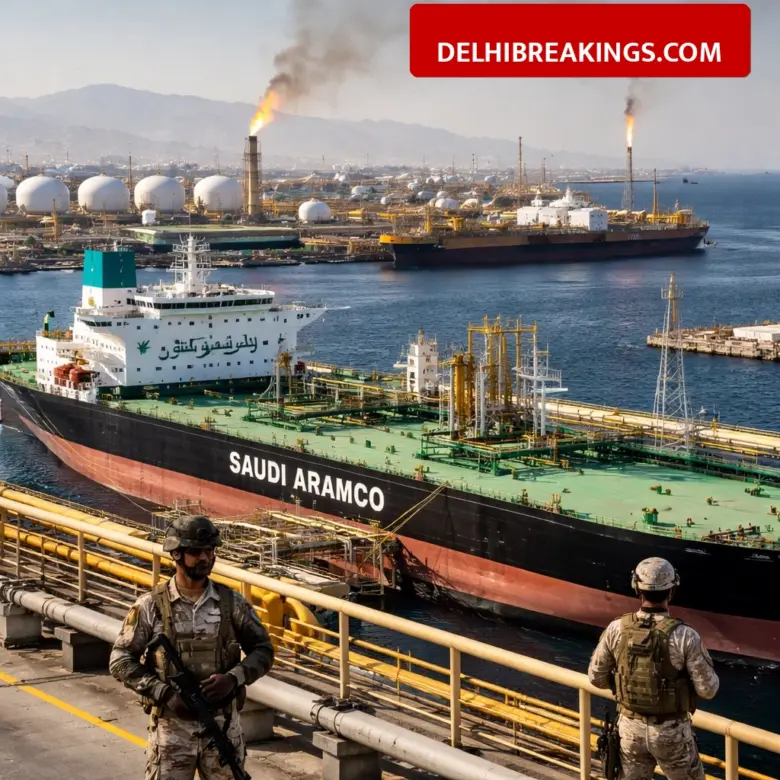
Saudi Aramco announced the temporary rerouting of its crude oil shipments to Yanbu Industrial Port on March 8, 2026. This decision aims to protect global energy supplies and ensure safety as tensions make the Arabian Gulf difficult for some commercial ships to navigate. The company has already started moving significant volumes through the East-West Pipeline to reach the Red Sea coast.
🚨: Mahindra Announces Celebration Benefits up to ₹2.95 Lakh on XEV 9e and BE 6, Check Validity Date।
How this change affects oil prices and global markets
The shift in logistics has immediately impacted the cost of crude oil globally. Saudi Aramco raised its Official Selling Prices for April, making oil more expensive for buyers in Asia and Europe. This is the highest price jump for Asian markets since August 2022. Common people might see an indirect impact on fuel prices as Brent crude stays above $83 a barrel.
- Asia: Prices raised by $2.50 per barrel.
- Europe: Prices raised by $3.50 per barrel.
- North America: Prices raised by $2.50 per barrel.
- Shipping: Tanker rates from Yanbu have more than doubled due to high demand.
Operational updates and safety measures at Yanbu
The Yanbu terminal is now seeing a massive spike in activity, with five Very Large Crude Carriers loading in just the first week of March. While the East-West Pipeline can handle up to 7 million barrels per day, experts like Richard Bronze from Energy Aspects note that loading so many ships at Yanbu creates logistical challenges. For Indians living in the Gulf or those working in the shipping industry, these changes mean stricter safety protocols and adjusted schedules at Red Sea ports.
| Metric | Details |
|---|---|
| Pipeline Capacity | 5 to 7 million barrels per day |
| March Export Volume | Three times higher than February average |
| Gasoline Price (Europe) | Exceeded €2 per liter in some regions |
| Regional Impact | Iraq and UAE also facing export disruptions |
State-run Al Ekhbariya TV confirmed that Aramco is monitoring the situation daily. The company stated that these adjusted cargo operations are a priority for service continuity. However, analysts warn that if regional tensions escalate, even the pipeline routes could face new challenges.
