

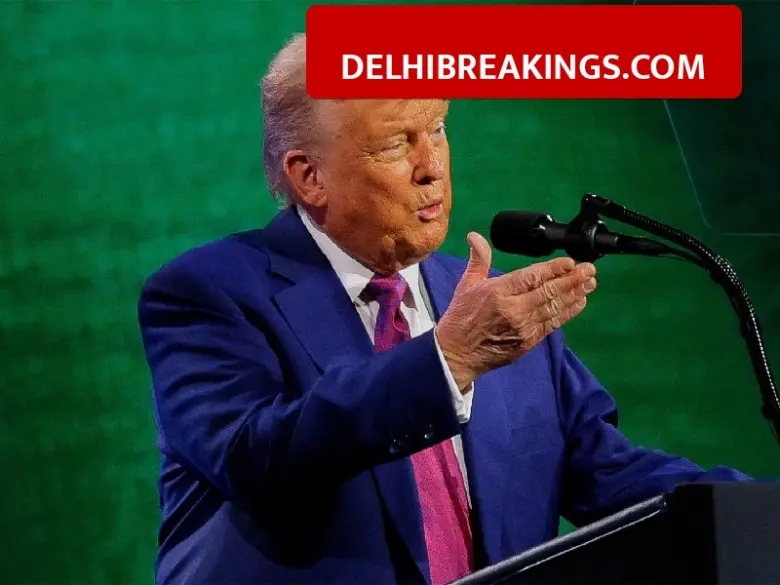
Global oil prices have crossed the $100 per barrel mark following the escalating military conflict in the Middle East. United States President Donald Trump has called this sudden spike a short-term issue that is a small price to pay for ending Iran’s nuclear capabilities. The surge comes as the U.S. and Israel continue joint strikes against Iranian infrastructure, causing massive disruptions in global energy markets and bringing the international crude prices to a record high since 2022.
What Trump Said About Rising Oil Prices
On Sunday, President Trump posted on his Truth Social platform that the current increase in oil prices is temporary. He stated that the prices will drop rapidly once the destruction of the Iran nuclear threat is complete. He emphasized that this short-term economic impact is worth the cost for world safety and peace. He also mentioned that only those who do not understand the bigger picture would think differently about this global energy cost increase.
Impact On Global Oil Markets
The conflict has caused significant disruption in the oil sector, pushing prices up by 50 percent since the strikes began in late February. Brent crude rose by nearly 20 percent, trading between $108 and $111 per barrel. US oil futures also saw a massive jump, reaching near $108. With the Strait of Hormuz effectively closed, around 20 million barrels of oil are stranded daily. Due to this closure and a lack of storage capacity, major OPEC producers like Kuwait, Iraq, and the UAE have officially reduced or halted their crude production.
Measures Taken To Protect Energy Transport
To handle the shipping crisis and ensure smooth fuel delivery, the US government is taking immediate steps. Treasury Secretary Scott Bessent announced upcoming measures to stabilize the transport of oil and LNG across the globe. The Pentagon is preparing to provide naval convoys to safely escort energy ships through the dangerous waters. Furthermore, the Development Finance Corporation is stepping in to provide political risk insurance for ships in the Mideast Gulf so that commerce can continue during the ongoing conflict.
