

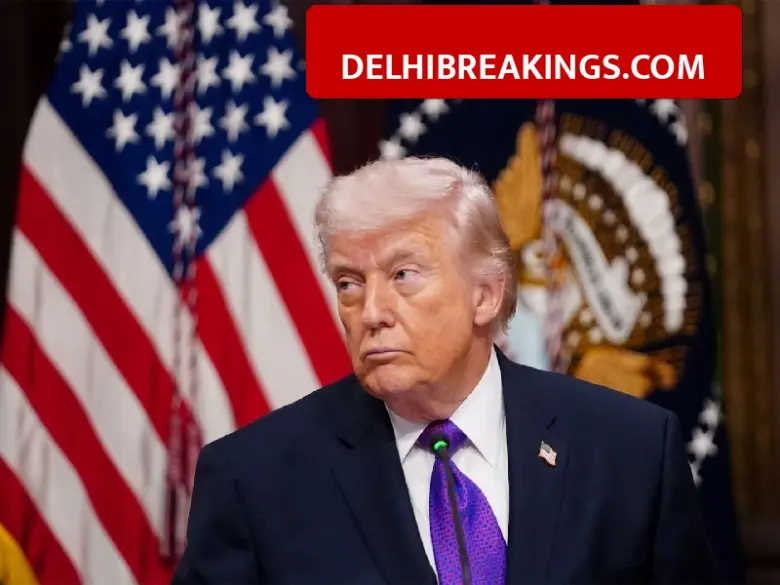
US President Donald Trump has announced a temporary waiver on certain oil-related sanctions to bring down soaring global energy prices. The move comes after Brent Crude prices spiked to nearly $120 per barrel before settling between $90 and $100 following the announcement. The administration aims to increase market supply and reduce fears of a shortage caused by regional conflicts.
What are the new sanction waivers?
The US Treasury Department has issued a 30-day temporary waiver for specific oil shipments. This allows the delivery of Russian crude oil loaded on or before March 5, 2026, to reach Indian ports without facing penalties. The waiver is effective until April 4, 2026.
To further stabilize the market, President Trump has directed the US International Development Finance Corporation to provide political risk insurance to maritime shipping lines. US Energy Secretary Chris Wright stated that these are short-term measures to control prices driven by market fear, adding that there is no actual shortage of oil globally.
How will the US secure the oil routes?
The ongoing regional conflict has caused maritime traffic through the Strait of Hormuz to drop by 70 percent. This strait is a crucial route where 20 percent of the world oil passes. To encourage shipping lines to resume traffic safely, the US Navy and international partners are prepared to escort oil tankers through the Gulf if needed.
Currently, there are no active US Navy escorts underway, but officials emphasized their total readiness. President Trump also mentioned that the regional war situation is nearing an end, which will lead to a rapid drop in fuel costs in the coming days.
What happens to sanctions on Iran?
While the US is waiving some sanctions to control prices, strict measures against illicit oil trade remain in place. The Treasury Department recently sanctioned 12 vessels and over 30 entities linked to a shadow fleet. These ships are accused of funding Iranian military programs through secret oil sales.
The administration continues to target these specific vessels to block military funding, even as it eases other restrictions to keep the global energy market stable for the common man.
