

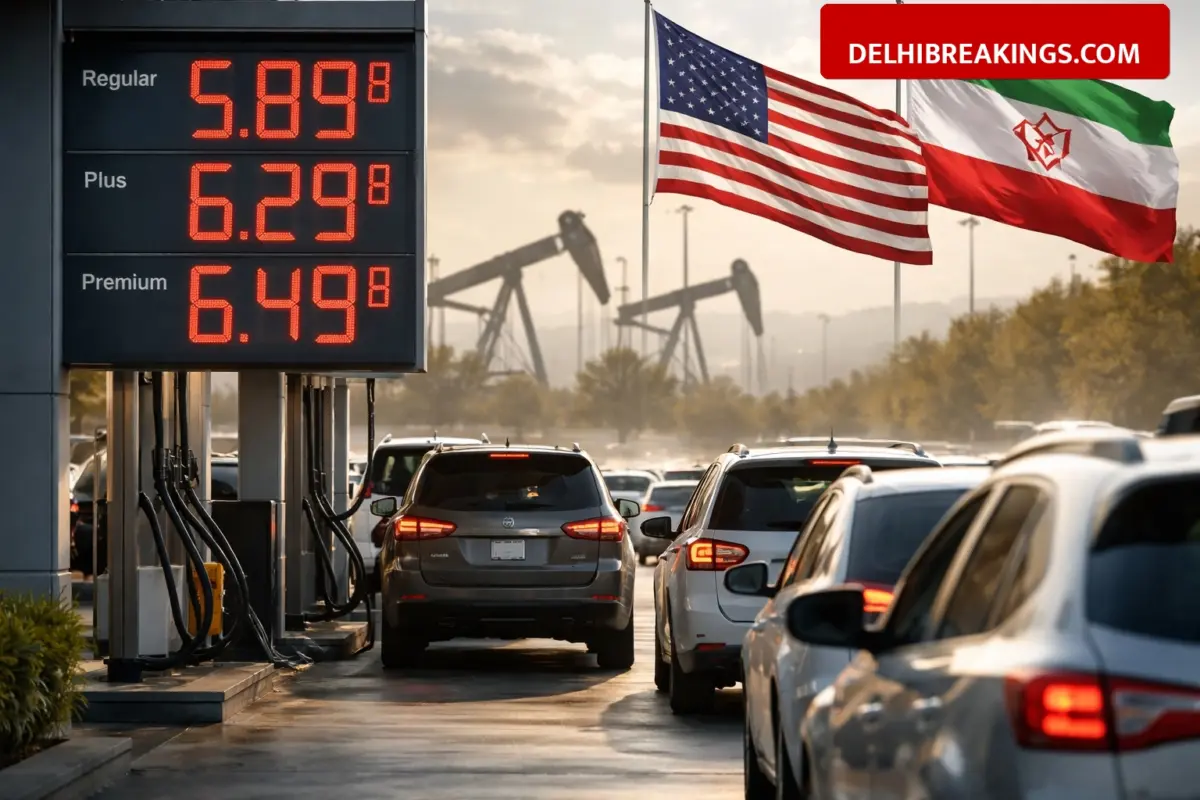
Petrol prices are seeing a massive jump across the globe following the ongoing US-Israeli war on Iran. The conflict, which started on February 28, 2026, has heavily impacted the global oil supply chain. Over 85 countries are dealing with sudden price hikes, with citizens bearing the brunt of expensive fuel and transportation. International agencies are currently trying to release emergency oil reserves to calm the markets and provide relief to common people.
ℹ: US-Iran War Update: Former NSA Warns of Long Crisis, 2 Indians Dead Amid Supply Disruptions।
Top 10 Countries Facing the Biggest Petrol Price Hikes
Based on official reports and data from Al Jazeera, at least 85 countries have reported fuel increases. Here is the list of countries that have seen the sharpest rises in petrol prices since the war began.
| Country | Price Increase Details |
|---|---|
| Vietnam | Around 50 percent increase (from $0.75 to $1.13 per litre) |
| Laos | 33 percent increase |
| Cambodia | 19 percent increase |
| Australia | 18 percent increase |
| United States | 17 percent increase (average $3.48 per gallon) |
| Pakistan | 55 PKR hike per litre (new rate 321.17 PKR) |
| Bangladesh | Critical supply disruptions and rising import costs |
| South Korea | Severe retail pressure with government imposed price caps |
| Thailand | Sharp increase leading to emergency subsidies |
| Japan | High reliance on Strait of Hormuz causing active conservation measures |
Impact on Global Oil and Energy Markets
The war has caused massive disruptions in the Persian Gulf, effectively closing the Strait of Hormuz where 20 percent of global oil travels. Brent Crude oil peaked at nearly $120 per barrel before falling back to the $88 to $91 range. This drop happened after the International Energy Agency proposed releasing over 182 million barrels of emergency oil. Apart from petrol, natural gas prices in Europe went up by 75 percent, and jet fuel costs have doubled, leading to expensive flight tickets globally.
Recent War Developments and Government Actions
Military tensions worsened as Iran launched drone strikes on a Saudi oilfield recently. Due to the lack of tanker insurance, most marine traffic in the Persian Gulf has stopped. To handle the supply crisis, US President Donald Trump announced temporary waivers on specific oil sanctions. G7 leaders are also meeting to discuss steps to control this major energy crisis that is affecting household budgets worldwide.
