

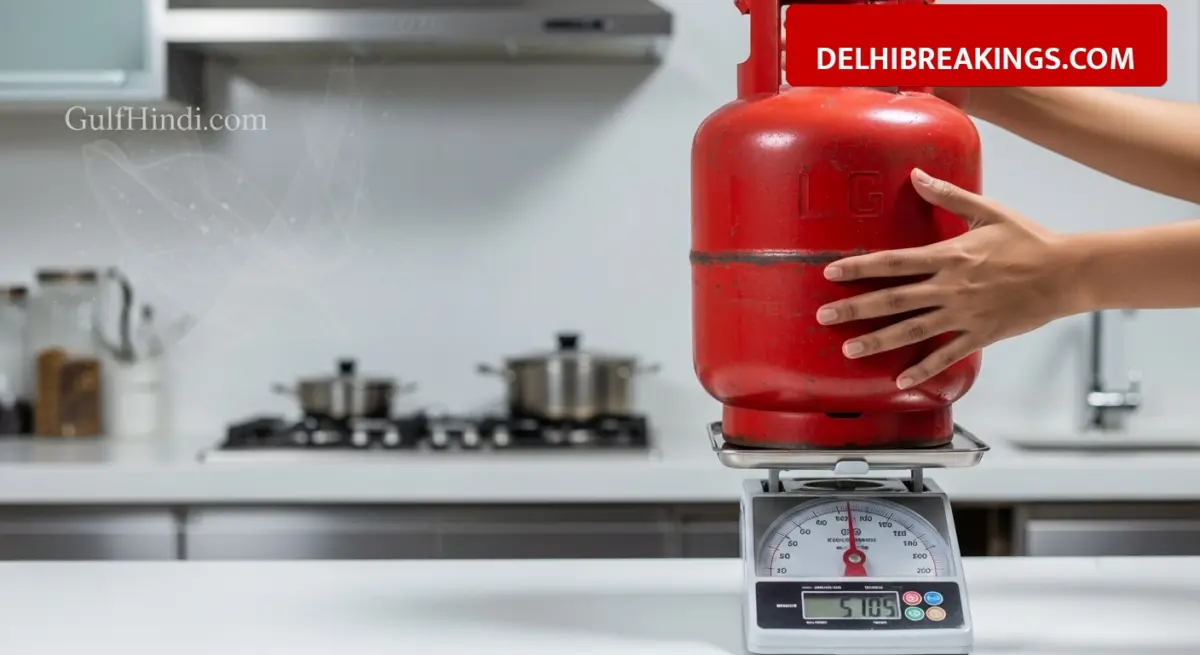
The ongoing disruptions in the Strait of Hormuz have directly impacted households in India with a price hike of Rs 60 per LPG cylinder. The International Energy Agency and Times of Oman reported on March 13, 2026, that Liquefied Petroleum Gas (LPG) is the most vulnerable petroleum product globally right now. The Indian Ministry of Petroleum confirmed delivery delays and invoked emergency rules to manage domestic shortages across the country.
Why LPG Supplies Are Affected in India
India normally imports 90 percent of its LPG through the Strait of Hormuz. Due to the current naval issues and threats in the waterway, about 1.5 million barrels per day of LPG are blocked. UNCTAD data details that 29 percent of the global seaborne LPG passes through this specific chokepoint. Several regional shipping companies and QatarEnergy declared force majeure, meaning they cannot fulfill their shipments at this time.
New Rules and Decisions by the Government
To handle the shortage, the Indian government invoked the Essential Commodities Act (ESMA) on March 6. Refineries received legal orders to stop producing petrochemicals and focus entirely on making propane and butane for household cooking gas. The official directive prioritizes LPG supplies strictly for households, hospitals, and fertilizer plants. Commercial and industrial consumption is currently restricted.
Global Impact and Alternative Options
S&P Global noted that there is no large-scale alternative pipeline infrastructure for LPG to bypass the Strait of Hormuz. Finding replacement supplies from the United States takes five to six weeks to reach Asian markets, compared to less than one week from the Middle East. To provide relief, the International Energy Agency coordinated a 400-million-barrel emergency oil reserve release. Financial agencies stated that Oman remains better shielded because its primary export terminals are located outside the Strait of Hormuz.
