

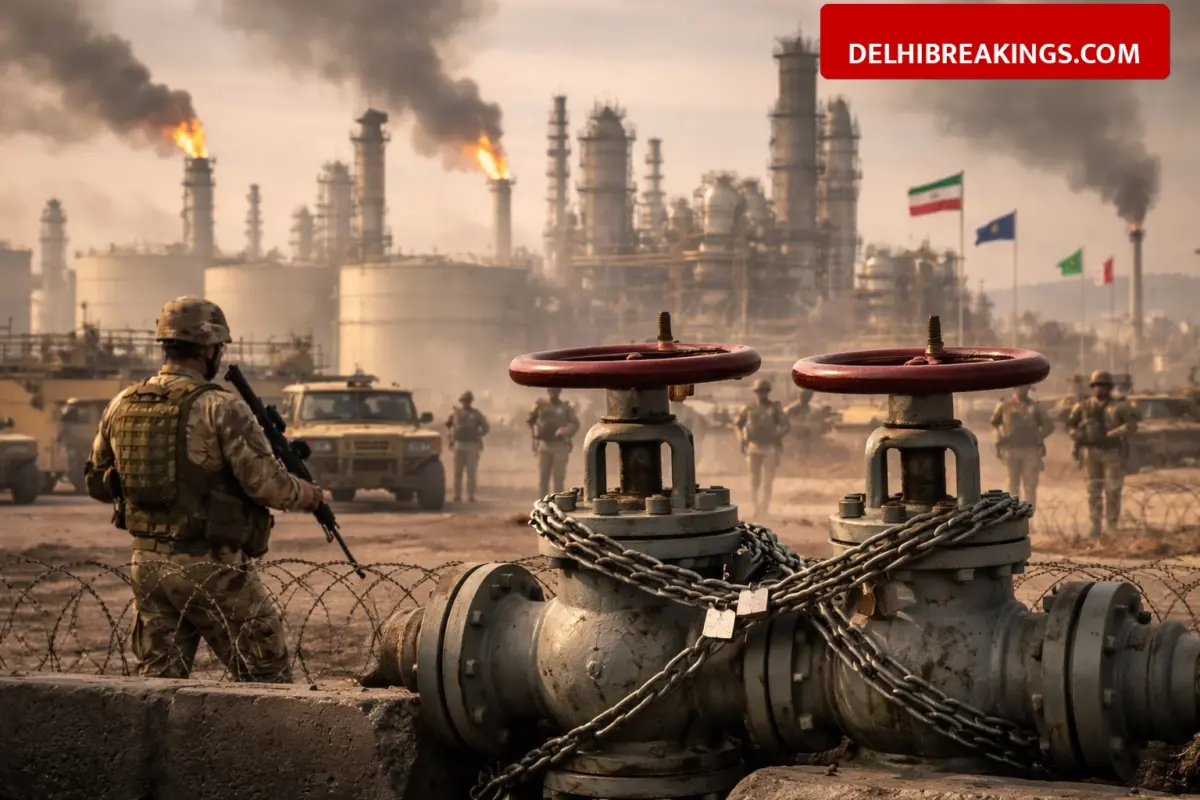
The ongoing US-Israeli war on Iran has severely impacted global energy markets as major Gulf energy producers declare force majeure on their shipments. Countries like Qatar and Kuwait have legally suspended their oil and gas deliveries due to the disruption of shipping through the Strait of Hormuz. This sudden stop in fuel supply has pushed Brent crude oil prices near 126 dollars per barrel. The current situation has created a historic crisis for the global energy sector and raised deep concerns for industries and the daily expenses of common people around the world.
ℹ: IEA Makes Big Announcement on Oil Stocks, Immediate Release Planned for Asia and Oceania।
What is Force Majeure and Who Declared It?
Force majeure is a legal clause used by companies to stop delivering their products when situations go completely out of their control, such as war, infrastructure damage, or blocked transport routes. With the Strait of Hormuz blocked, several key suppliers in the Gulf have invoked this rule to protect their operations.
- QatarEnergy: Suspended all LNG shipments on March 4, 2026, following drone strikes on production facilities. Qatar provides approximately 20 percent of the world’s LNG.
- Kuwait Petroleum Corporation: Suspended crude oil and refined products on March 7, 2026, citing threats to shipping and a near-total absence of available vessels.
- Bapco Energies: The Bahrain-based company stopped group operations on March 9, 2026, after a missile strike set the Sitra refinery on fire.
- Shipping Insurance: Major maritime insurers cancelled protection coverage for all Gulf transits on March 5, 2026, making the area unnavigable for most private ship operators.
How Does This Impact Global Prices and Daily Life?
The total closure of the Strait of Hormuz has created a massive daily deficit of 12 million barrels of oil. Total Gulf oil production has been cut by at least 10 million barrels per day because storage facilities are full and exports are not possible. Saudi Arabia is attempting to divert up to 5 million barrels per day through an alternate pipeline to the Red Sea, but it remains insufficient to cover the huge gap.
To handle this supply shock, the International Energy Agency member countries agreed on March 11 to release 400 million barrels of oil from emergency reserves. The sudden drop in active supply caused Brent crude prices to cross 100 dollars per barrel on March 8, eventually reaching a peak of 126 dollars. The supply chain issues are now spreading beyond fuel, affecting global supplies of fertilizer, helium, and industrial minerals, which will directly impact the cost of farming and manufacturing globally.
