

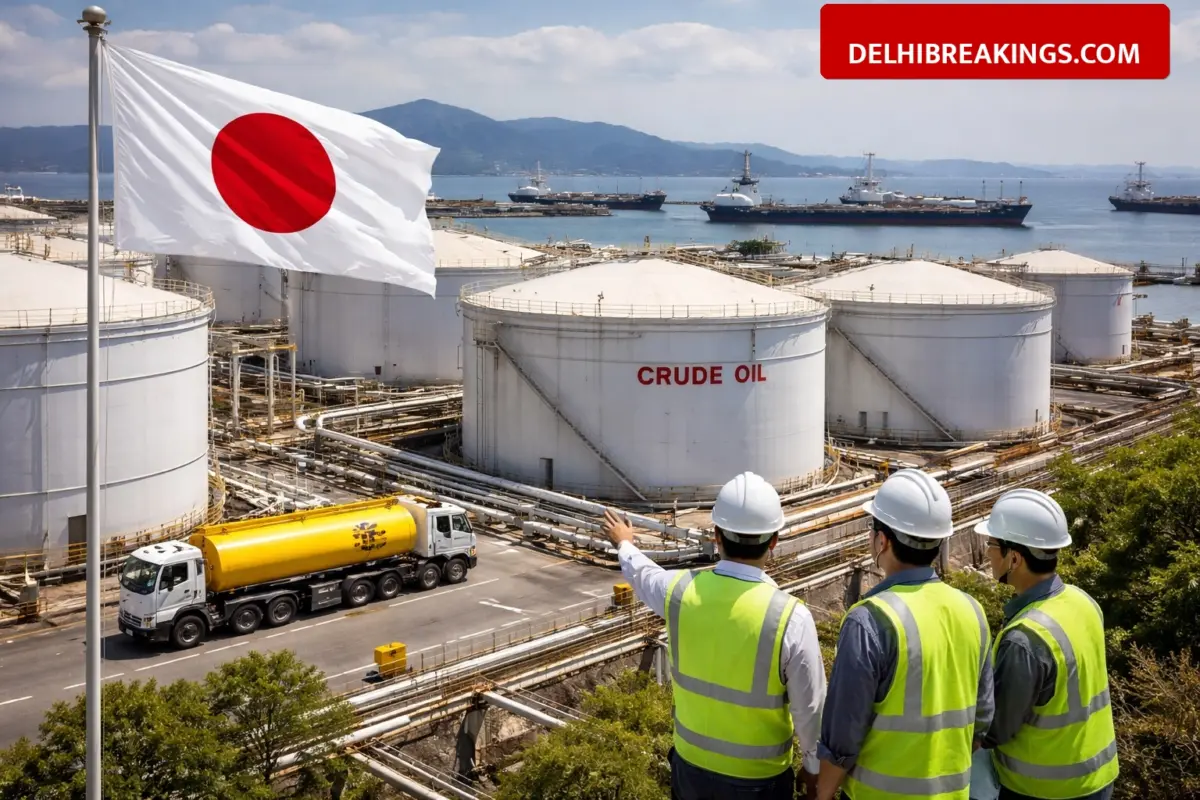
Japan began the official release of its strategic oil reserves on Monday, March 16, 2026. This decision comes as fuel prices continue to rise globally due to the US-Israeli military strikes against Iran. The government aims to stabilize the domestic energy market and protect consumers from further price hikes as supply routes in the Middle East face disruptions like the closure of the Strait of Hormuz.
Understanding the volume and timeline of the oil release
The Japanese government announced a plan to release approximately 80 million barrels of oil from its reserves. This volume represents nearly 20% of the total national supply. The process is scheduled to last for 45 days in total. In the first 15 days, private refineries will lower their holdings, and the remaining 30 days will see oil coming directly from the national government stockpile. This action is part of a larger international effort coordinated by the IEA to release 400 million barrels globally.
| Metric | Details |
|---|---|
| Total Release Volume | 80 Million Barrels |
| Starting Date | March 16, 2026 |
| Duration | 45 Days |
| Target Gasoline Price | Approximately ¥170 per liter |
| Private Reserve Limit | Reduced from 70 to 55 days |
Impact on gasoline prices and domestic supply rules
The national average for gasoline recently rose to ¥161.8 per liter, and officials expect it to reach ¥170 without this intervention. To manage the situation, the Ministry of Economy, Trade and Industry (METI) told refineries they can reduce their mandatory stocks from 70 days down to 55 days of consumption. These refineries must prioritize the domestic market and are not allowed to export fuel during this crisis. The government is also looking for alternative oil suppliers in the United States, Central Asia, and South America to bypass current shipping blockades.
Prime Minister Sanae Takaichi stated that Japan decided to take the lead in easing supply and demand without waiting for international formal decisions. Defense Minister Shinjiro Koizumi also discussed the security of energy routes with US officials, though no naval vessels will be sent to the region yet. Economy Minister Ryusei Akazawa is currently overseeing the stock drawdown to ensure refineries follow the new domestic consumption priority rules.
