

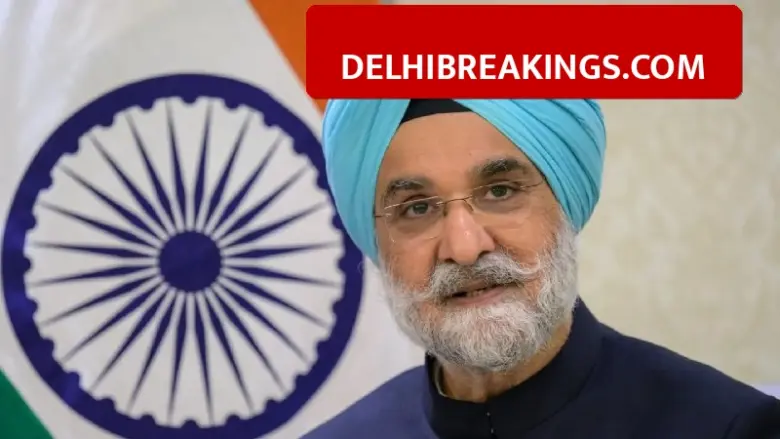
Delhi Lieutenant Governor Taranjit Singh Sandhu visited the Kalindi Kunj barrage on March 19, 2026, to personally assess the pollution levels in the Yamuna River. The visit follows rising concerns over visible pink froth on the water surface. The LG emphasized the need for a scientific and coordinated approach involving both local and international experts to find sustainable solutions for the river’s deteriorating water quality. This inspection came a day after Delhi Water Minister Parvesh Sahib Singh conducted a similar joint review of the site.
Pollution Control Measures and Infrastructure Budget
The Delhi government and various departments have initiated several financial and administrative steps to manage the river’s health. A massive flood mitigation plan has been approved to strengthen the city’s drainage and monitoring systems. Additionally, specific tenders have been floated to improve river oversight. The authorities are focusing on upgrading sewage treatment plants to reach a total capacity of 1500 MGD to ensure untreated waste does not enter the river.
| Initiative | Budget/Detail |
|---|---|
| Delhi Urban Flood Mitigation Plan | Rs 21,000 crore |
| VIP Inspection Boats (Two units) | Rs 6.2 crore |
| Latest Inspection Date | March 19, 2026 |
| Primary Pollution Source | Industrial waste and detergents |
Expert Analysis on Pink Froth and Industrial Waste
Experts from scientific institutions and IIT-Delhi have identified that the froth formation is largely a localized phenomenon at the Okhla barrage. Turbulence in the water causes surfactants from household detergents and illegal dyeing units to foam up. To combat this, the administration has enforced a ban on soaps not conforming to Bureau of Indian Standards and continues to monitor laundry clusters and illegal units. Minister Parvesh Sahib Singh stated that any source contributing to pollution will face strict action and that there will be no compromise on environmental norms.
- The Delhi State Disaster Management Authority gave in-principle approval to the mitigation plan on March 17.
- Inter-state coordination with Uttar Pradesh is being treated as a shared responsibility for river cleanup.
- The DPCC has been directed to intensify monitoring of wastewater discharge points.
- Political leaders have traded charges over the purchase of expensive inspection boats versus long-term sewage treatment.
