

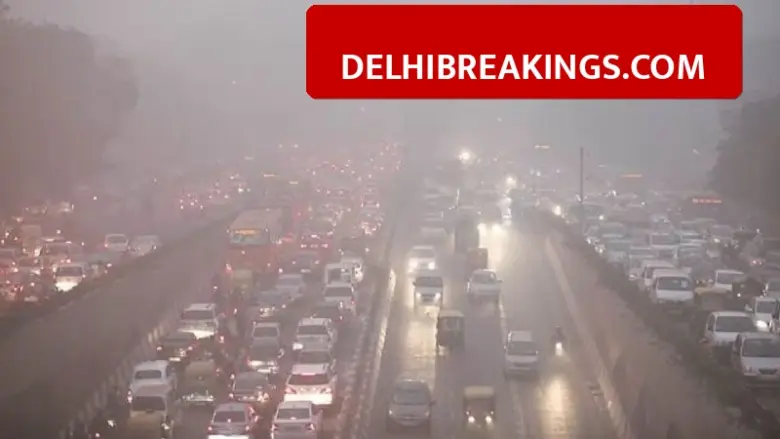
The air quality in the National Capital Region (NCR) remains a critical concern, with a recent report highlighting alarming pollution levels. Loni, located in Ghaziabad district of Uttar Pradesh, has been identified as the most polluted city globally in 2025. This disturbing finding comes from the 2025 World Air Quality Report by IQAir, a Swiss air quality technology company.
What Does the Report Say About Loni and NCR’s Air?
Loni recorded a severe annual average PM2.5 concentration of 112.5 µg/m³ in 2025, making it the most polluted city in both India and the world. The National Capital Region, including major cities like Delhi, Noida, and Ghaziabad, significantly contributes to the list of the most polluted places in Central and South Asia. Delhi itself ranked as the most polluted capital city globally for the eighth year in a row, with an annual average PM2.5 concentration of 99.6 µg/m³ in 2025. Ghaziabad and Noida also showed very high levels at 89.2 µg/m³ and 80.5 µg/m³ respectively.
How Do Pollution Levels Compare to Global Standards?
The World Health Organization (WHO) recommends an annual average PM2.5 level of no more than 5 µg/m³. Loni’s 2025 PM2.5 level was more than 22 times this global guideline, indicating a severe health risk. Even India’s National Ambient Air Quality Standards (NAAQS) for PM2.5, set at 60 µg/m³ for a 24-hour average, were frequently exceeded by many cities in the NCR during 2025-26. Despite a slight national average decline, India hosted 17 of the world’s 20 most polluted cities in 2025.
What Are the Main Causes and What’s Being Done?
Pollution in Loni and the wider NCR region stems from various sources, including emissions from vehicles and industries, dust from construction sites, and the seasonal burning of crop residue. Winter conditions, coupled with temperature inversions, also worsen air quality significantly. The National Clean Air Programme (NCAP) aims to reduce pollution by 40% by 2025-2026. However, a large portion of its funding, 64%, has been allocated to reducing road dust, with only smaller percentages for other critical sources like biomass burning (15%), vehicle emissions (13%), and industrial pollution (1%). Experts suggest that weak enforcement of emission norms continues to affect air quality.
