

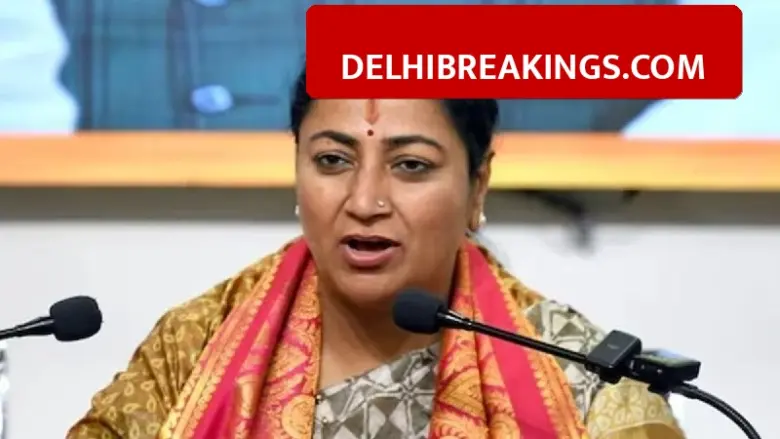
The Delhi government has introduced a major change in the tender process to ensure more transparency and efficiency in public works. Under the new rules updated on April 3, 2026, the Earnest Money Deposit (EMD) submission process is now completely digital. This move ends the traditional requirement for contractors to visit government offices for these deposits, effectively removing the role of middlemen in the procurement cycle.
How the new digital EMD process works
The entire procedure for depositing earnest money is now handled through an online portal. Contractors are no longer required to submit physical documents or visit departments during the initial bidding phase. According to the new guidelines, only the contractor who is identified as the lowest bidder will be required to submit the actual EMD at a later stage. This approach is designed to save time and reduce the administrative burden on everyone involved in the tendering process.
Impact and objectives of the new system
- No Middlemen: The direct digital process eliminates the influence of third-party agents and fixers.
- Corruption Control: Digital records for all transactions help in making the process more transparent and accountable.
- Equal Opportunity: All contractors now have a level playing field to compete for government projects.
- Efficiency: The removal of physical visits speeds up the overall project timeline for Delhi government works.
- Implementation Date: These new digital rules are officially effective and were updated on April 3, 2026.
