

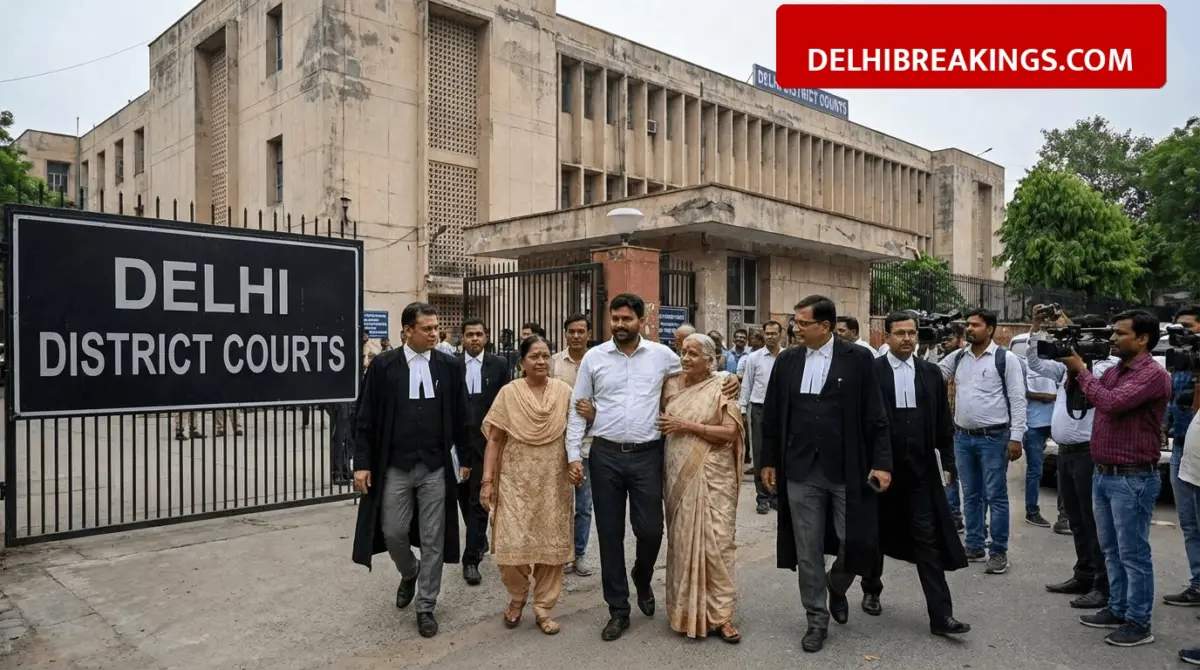
A Delhi court has acquitted the husband and in-laws in two separate dowry death cases after the prosecution failed to prove the allegations of cruelty. In both instances, the judicial officers noted that the evidence presented did not meet the legal requirements to sustain a conviction. The court emphasized that for a dowry death charge to be proven, there must be clear evidence of harassment related to dowry demands shortly before the death occurred. Both victims had died by suicide, according to medical and forensic reports presented during the trials.
Why the family was acquitted in the Shivali Sharma case
In the case of Shivali Sharma, who died in March 2023, Additional Sessions Judge Deepak Wason acquitted the husband, Kartik Sharma, and his parents. Interestingly, the key prosecution witnesses, including the victim’s parents and brother, did not support the allegations of harassment in court. They testified that Shivali was living a happy married life and was never bothered for dowry. Instead, they attributed her mental state to depression caused by her child’s serious medical condition. The court found that the prosecution could not establish the culpability of the accused beyond a reasonable doubt.
Details of the Harinder Kaur case acquittal
The second judgment involved the family of Harinder Kaur, who died within months of her marriage in 2018. Judge Nipun Awasthi acquitted her husband Daman Deep and his relatives after reviewing private text messages and witness statements. The court findings included the following points:
- Text messages suggested that the deceased had a long history of suicidal tendencies that existed even before her marriage.
- There was no documented evidence of dowry demands or physical harassment by the in-laws during the marriage.
- The court noted that the deceased was troubled by negative feelings and mental health struggles.
- Witnesses failed to provide any specific instances of cruelty that could be linked to the death.
The court stated that while the death was unnatural and took place within seven years of marriage, the lack of proof regarding dowry-related harassment led to the acquittal of the accused. Medical evidence in this case also confirmed that the cause of death was asphyxia due to hanging.
