

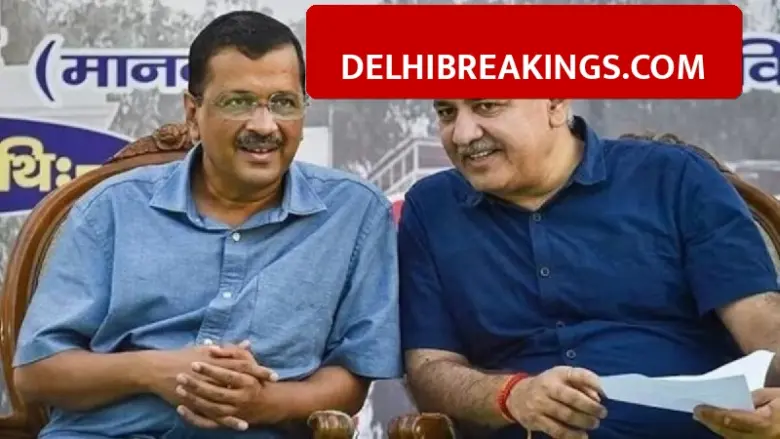
The Delhi High Court has granted a final opportunity to former Chief Minister Arvind Kejriwal and former Deputy Chief Minister Manish Sisodia to file their responses to a petition by the Enforcement Directorate (ED). Justice Swarana Kanta Sharma directed the respondents to submit their replies by April 22 in connection with the ongoing Delhi Excise Policy case. This comes as a significant procedural update for the political leaders who are currently facing legal scrutiny from the central agency.
What happened during the Delhi High Court hearing?
During the proceedings on April 2, 2026, the court noted that most respondents, including Kejriwal and Sisodia, had not yet filed their replies despite being granted previous extensions. Additional Solicitor General S.V. Raju, representing the ED, informed the court that the agency is seeking to remove certain remarks made by a trial court in a previous order. Justice Swarana Kanta Sharma stated that no further adjournments will be allowed after this. If the replies are not submitted by the April 22 deadline, the court will close the right to file and proceed directly to hear the arguments.
Key dates and details of the ED petition
The Enforcement Directorate is challenging a trial court order from February 27 that discharged the accused and made critical remarks against the agency’s conduct. The ED argues these remarks were foundationally misconceived and violated principles of natural justice as they were made without giving the agency a proper hearing. The following timeline tracks the recent court developments:
| Date | Event Description |
|---|---|
| February 27 | Trial court discharged accused and made remarks against ED |
| March 19 | High Court granted time until April 2 for respondents to file replies |
| April 2, 2026 | High Court granted a final opportunity to file replies |
| April 22 | Final deadline for Kejriwal and Sisodia to submit their responses |
While most respondents have requested more time, it was noted that Vinod Chauhan has already filed his reply. The case remains a matter of high public interest due to the involvement of top political figures and the impact on Delhi’s administrative history. The next hearing is scheduled for April 22, where the court expects all paperwork to be complete before starting the arguments.
