

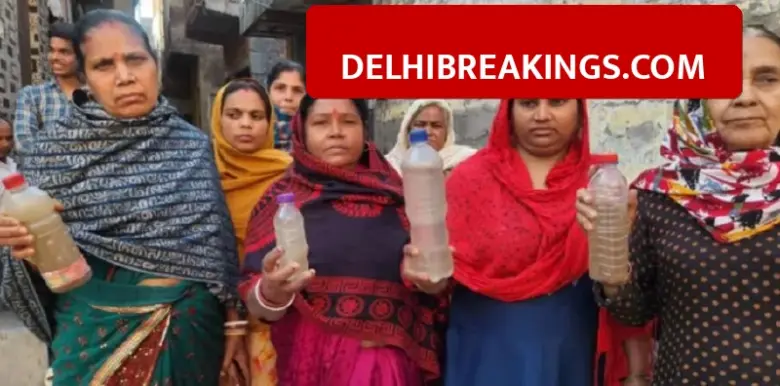
Residents in Outer Delhi, specifically in the Burari area, are facing a severe drinking water crisis in the early months of 2026. Households in colonies such as Phoolbagh, Himgiri Enclave, and Vijay Colony are reporting that their taps are dispensing black and foul-smelling water. This contamination has forced families to look for expensive alternatives while the government has issued strict new directives to officials to fix the supply immediately.
Why are families paying double for their water needs?
The situation on the ground has created a heavy financial burden for the common man living in these colonies. Since the tap water is often compared to sewage, it cannot be used for drinking or even bathing.
- High Monthly Costs: Families are forced to spend between ₹5,000 to ₹6,000 per month to buy safe water from private tankers and bottled suppliers.
- Double Payment: Residents are paying their regular Delhi Jal Board bills and also paying for private water, doubling their expenses.
- Health Risks: Recent reports indicate a rise in stomach infections and skin irritations among those who accidentally use the dirty supply.
- Equipment Damage: The high level of silt and dirt in the water is damaging domestic RO systems, leading to frequent repair costs.
What actions are being taken to fix the pipelines?
The government and the Delhi Jal Board are taking steps to address these complaints after samples from Vijay Colony and Siraspur were found unsatisfactory. Experts suggest that illegal booster pumps and aging pipelines are causing sewage to be sucked into the water lines.
- Strict Deadlines: The Water Minister has issued a directive for zero tolerance, setting a 2-day deadline to resolve pending complaints and a 3-day window for new ones.
- Testing and Quality: The Delhi Technical Quality Control body is tasked with rigorous sampling from houses and schools to verify safety.
- Infrastructure Upgrades: Officials state that 18% of the pipeline network is over 30 years old. There is a plan to replace 7,000 km of pipes across Delhi in the next 2 to 3 years.
- Current status: Maintenance work and high ammonia levels in the Yamuna have also caused intermittent shutdowns at major treatment plants recently.
