

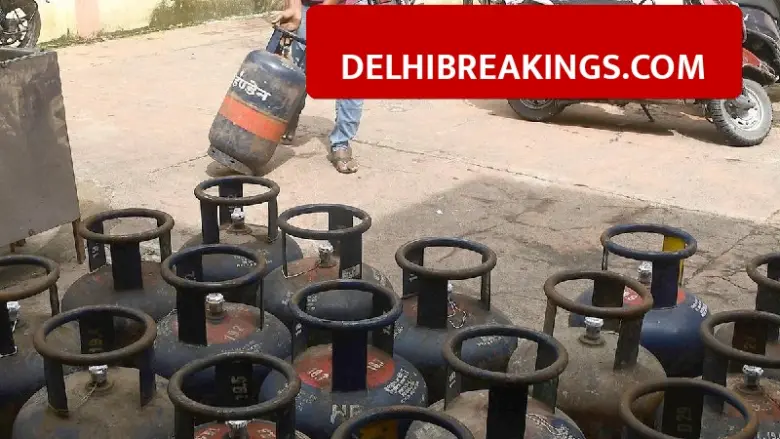
Commercial LPG cylinder bottling has come to a complete standstill at plants operated by Indian Oil (IOCL), Bharat Petroleum (BPCL), and Hindustan Petroleum (HPCL). The Ministry of Petroleum and Natural Gas invoked emergency powers under the Essential Commodities Act, 1955, following a major global supply disruption. This decision ensures that domestic household kitchens remain operational while commercial supplies are de-prioritized.
Why has the commercial LPG supply been stopped?
The disruption was triggered by the closure of the Strait of Hormuz on March 1, 2026, which severely impacted fuel imports. Since India relies on the Middle East for 45% to 60% of its LPG, the government moved to safeguard domestic stocks. Refiners are now legally required to divert propane and butane streams exclusively for domestic use. As a result, bottling of 19kg and 47.5kg commercial cylinders has effectively ceased at major plants across Delhi, Chennai, and Bengaluru.
New rules and restrictions for domestic consumers
To manage the available stock, which is currently estimated to last for about 25 days, the government has introduced strict discipline for household refills. These measures are designed to prevent hoarding and ensure fair distribution during the crisis period.
- Booking Lock-in: Single-bottle users now have a 21-day lock-in period for refills, while double-bottle users must wait 30 days.
- Annual Cap: Total domestic consumption is now limited to a maximum of 15 cylinders per year per household.
- Production Shift: Oil Marketing Companies have been ordered to stop diverting gas for petrochemical production to fulfill the domestic mandate.
Impact on the hospitality sector and public eateries
The stoppage has created an immediate crisis for hotels, restaurants, and small tea stalls. Many distributors in Delhi and other metros reported zero stock of commercial cylinders since Friday. In Bengaluru, hotel associations have even threatened to shut down operations starting March 10 if emergency supplies are not released. Many eateries have started reducing menu items that require high fuel consumption and are considering a shift to electric induction where the infrastructure allows. There are also reports of unauthorized price hikes in the grey market due to the sudden scarcity.
