

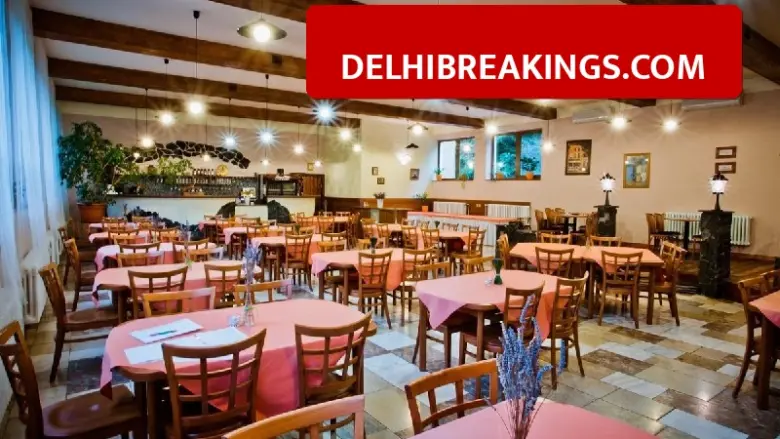
The shortage of commercial LPG cylinders in Delhi has severely impacted the hospitality and food business over the past week. Restaurant owners and street food vendors are struggling with limited resources, forcing many to cut down their menus and reduce operating hours. To manage the crisis, the Delhi government has introduced a temporary distribution policy that prioritizes essential services while limiting the daily supply for commercial entities to just 1,800 cylinders per day.
🚨: Delhi Govt to Launch DTC AC Bus Service for Vaishno Devi, Ayodhya and Khatu Shyam on 17 New Routes।
Priority Categories and Supply Quota under the New Policy
The Delhi government has established a priority list consisting of eight categories to ensure that essential services like hospitals and schools receive a full supply. While restaurants and eateries get the largest share of the remaining quota, the overall availability remains significantly lower than the actual demand of 9,000 cylinders per day. The distribution is being handled on a first-come, first-served basis through the standard online booking systems.
| Category | Quota Percentage | Daily Cylinder Limit |
|---|---|---|
| Schools, Hospitals, Railways, Airports | 11% | 200 |
| Restaurants and Eateries | 42% | 762 |
| Government Canteens and PSUs | 13% | 236 |
| Hotels and Guest Houses | 4% | 72 |
| Dairy and Bakery | 11% | 200 |
| Caterers | 9% | 162 |
| Industrial Units | 1% | 18 |
| Sports Facilities and Others | 8% | 150 |
Current LPG Prices and Measures Against Black Marketing
As of March 19, 2026, the price of a 19 kg commercial LPG cylinder in Delhi stands at 1,884.50 rupees, while the 47.5 kg cylinder is priced at 4,348.00 rupees. This reflects a price hike of 144 rupees compared to February. Food and Supply Minister Manjinder Singh Sirsa stated that 70 teams from the Delhi Police and the Weight and Measures Department have been deployed to prevent hoarding and black marketing. Chief Minister Rekha Gupta has urged the public not to believe in rumors, stating that sufficient fuel reserves are being managed through this temporary policy.
