

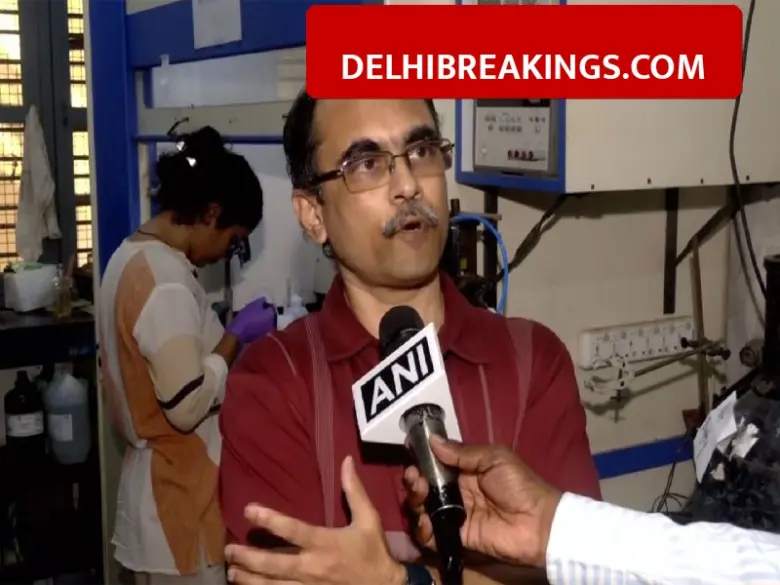
The Delhi government has entered into a formal agreement with IIT Madras to conduct a six-month pilot study on smog-eating coatings. This project aims to use advanced materials on roads and urban infrastructure to reduce the concentration of pollutants in the air. The collaboration was formalized through a Memorandum of Understanding signed on March 13, 2026, under the leadership of Chief Minister Rekha Gupta. The study will evaluate how these coatings perform in the specific traffic and weather conditions of the national capital.
How does the smog-eating technology work?
The technology relies on Titanium Dioxide based nanomaterials that act as a photocatalyst. When these materials are exposed to sunlight, they trigger a chemical reaction that converts harmful Nitrogen Oxides and Volatile Organic Compounds into harmless gases like Nitrogen and Oxygen. Professor Somnath C. Roy from the Department of Physics at IIT Madras explained that the research will begin with laboratory testing. These tests will simulate Delhi’s pollution levels and traffic data to ensure the materials are effective before they are applied to actual city roads.
Key details of the Delhi-IIT Madras pollution project
The project is focused on finding long-lasting and affordable ways to improve air quality without stopping urban growth. Environment Minister Manjinder Singh Sirsa highlighted that the evidence-based findings from this study will support future decisions on pollution control. The project involves various application methods for the smog-eating materials as detailed below:
| Application Method | Details |
|---|---|
| Road Surfaces | Mixing materials into concrete and asphalt during construction |
| Urban Infrastructure | Applying surface coatings to existing buildings and pavements |
| Special Installations | Installing nanomaterial panels on rooftops and under streetlights |
| Project Duration | Six-month comprehensive pilot study |
| Funding Agency | Delhi Government Environment Department |
Officials from the Delhi Pollution Control Committee and the Environment Secretary Ramesh Bidhuri were present during the signing of the agreement. The study aims to provide a scientific solution to the recurring smog issues in the city by targeting pollutants directly at the street level where they are most concentrated.
