

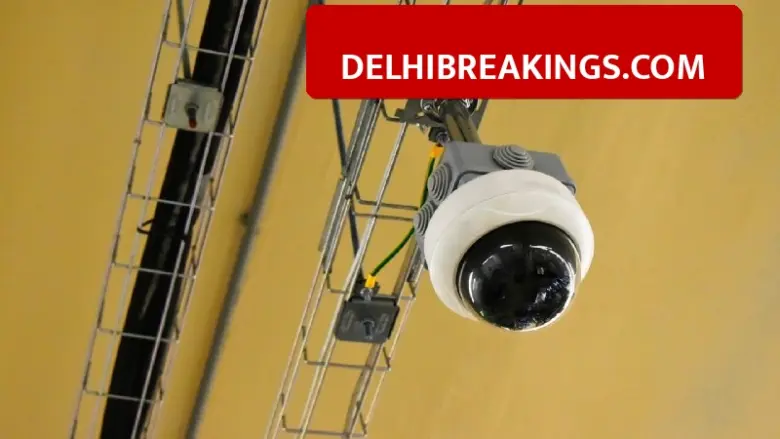
Delhi PWD Minister Parvesh Sahib Singh has announced that the city will replace 1.4 lakh China-made CCTV cameras. The decision comes after concerns over national security and data handling associated with Chinese-origin surveillance equipment. This massive task will be completed in a phased manner to ensure that the city surveillance network remains active without any gaps during the transition.
📰: Delhi Govt Aid: Apna Ghar Ashram in Budhpur Receives ₹1 Crore for Better Health Facilities।
Why is the government replacing the existing CCTV cameras?
The main reason for this decision is the security risk identified with Chinese equipment from companies like Hikvision and Dahua. New rules from the Union government now prevent the use of cameras with Chinese chipsets or those that do not meet specific security certifications. Minister Parvesh Sahib Singh stated that many of the cameras installed earlier are SIM-based and are now becoming obsolete. The government also noted that some cameras were poorly placed or distributed unevenly, which made them less effective in preventing crime.
What is the budget and plan for the new surveillance system?
The government has already started planning the budget and technical requirements for the new system. In the first phase, approximately 50,000 Chinese cameras will be replaced with more secure and trusted technology. The total cost for a modern 24×7 surveillance system is estimated to be around Rs 646 crore, which includes maintenance and advanced cameras.
| Item/Plan | Allocated Amount |
|---|---|
| Budget for 2026-27 for maintenance and new cameras | Rs 225 Crore |
| Estimated cost for 24×7 surveillance system | Rs 646 Crore |
| New IP bullet cameras to be installed | 49,900 |
| Automatic Number Plate Recognition (ANPR) cameras | 100 |
| Budget for eliminating dark spots (Jan 2026) | Rs 100 Crore |
The new network will focus on active crime prevention rather than just recording evidence. The Delhi Police will have direct access to a new Command Control Centre to monitor the city more effectively. An expert consultant will also be appointed to study the existing network and suggest improvements for better coverage and maintenance.
