

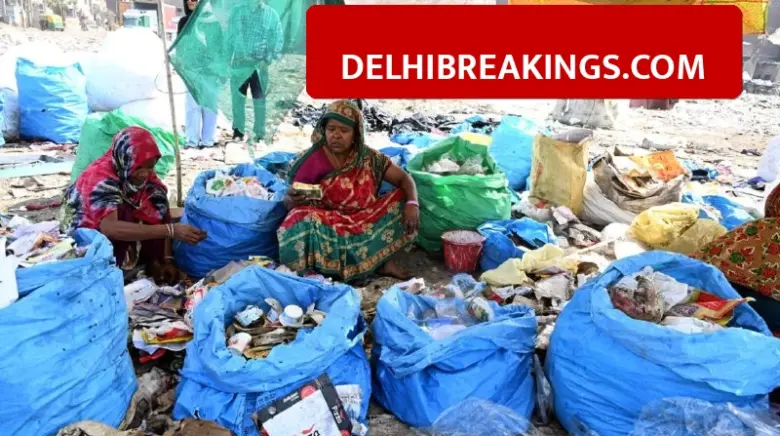
Delhi generates approximately 11,322 tonnes of municipal solid waste every single day. While the city prepares for a major shift in waste management rules starting April 1, 2026, the ground reality shows that only 59% of this waste is currently segregated at the source. The informal network of waste pickers and kabadiwallas continues to do the heavy lifting without much recognition.
🗞️: Delhi Hospitals Running Out of Anti-Rabies Vaccine, 2000 Patients Queuing Daily at GTB।
What are the new rules for waste collection?
The Union Ministry of Environment notified the Solid Waste Management (SWM) Rules, 2026 on January 28, which will replace the old 2016 framework. Under these new guidelines, residents must separate their waste into four distinct categories before handing it over. These categories include Wet, Dry, Sanitary, and Special Care items like medicines or paint.
To make this work, the Municipal Corporation of Delhi (MCD) has proposed a new collection schedule. Wet waste will be collected on Monday, Wednesday, Friday, and Sunday, while dry waste will be picked up on the remaining days. Strict fines based on the ‘Polluter Pays’ principle will be applied if waste is found unmixed or if facilities operate without registration.
What is the status of waste pickers and facilities?
Despite handling a massive portion of the city’s recycling, the workforce remains largely unregistered. Official data shows that out of thousands of workers, the MCD has surveyed only 12,393 waste pickers, with just 9,990 valid registrations so far. Under the NAMASTE scheme, these workers are supposed to get ID cards and insurance, but reports suggest severe delays in issuing these cards.
The infrastructure also needs a major upgrade to meet the city’s needs. Currently, there are only 5 Micro Recovery Facilities (MRFs) operational. The MCD plans to build at least 20 new MRFs to replace open garbage points and reduce the pressure on overfilled landfills like Ghazipur and Okhla.
