

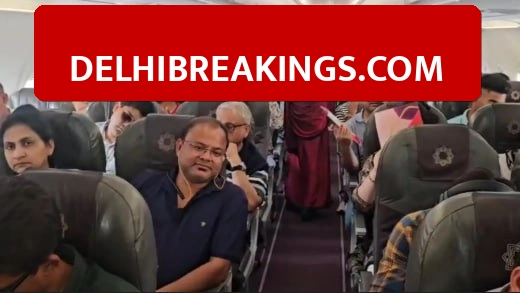
The Directorate General of Civil Aviation (DGCA) has proposed a major change in rules regarding unruly passengers on flights. In a new draft released in February 2026, the aviation regulator has suggested giving airlines the power to ban disruptive passengers for up to 30 days directly. This move aims to speed up action against those who threaten the safety of the aircraft or other travelers. Previously, airlines had to wait for recommendations from an internal committee before imposing such bans.
👉: Delhi CM Rekha Gupta to Launch 25 New Atal Canteens Tomorrow, Offering Meals for Just ₹5।
Which actions can lead to a direct ban?
Under the proposed regulations, airlines can take immediate action for specific offenses where the evidence is clear. If a passenger is caught smoking on the plane or drinking alcohol on a domestic flight, the airline can impose a ban. Consuming personal alcohol on international flights is also a violation.
Other offenses include tampering with the emergency exit door or using safety equipment like life jackets without permission. Behaviors like shouting slogans, protesting, or harassing other passengers are also grounds for a direct ban. Even physical disturbances like kicking the seat back or tray tables can lead to this action.
How is the new process different from the old rules?
According to the existing rules, when a complaint was made, the airline had to refer the matter to an independent internal committee headed by a retired judge. The airline could suspend the passenger for up to 30 days while waiting for the inquiry, but the final decision lay with the committee. This process often caused delays.
With the new amendment to the Civil Aviation Requirements (CAR), airlines do not need to wait for the committee for a ban of up to 30 days. They can assess the situation and act swiftly. However, if the offense is serious and requires a ban longer than 30 days, the matter must still go to the independent committee for approval.
Timeline for implementation and public feedback
The DGCA has placed this draft proposal in the public domain for comments and suggestions. Stakeholders and the public can submit their feedback until March 16, 2026. The regulator states that this ‘Zero Tolerance Policy’ is essential to maintain safety and order during air travel. While airlines will maintain a database of these banned passengers, those facing the direct 30-day ban will not be immediately added to the national No-Fly List.
