

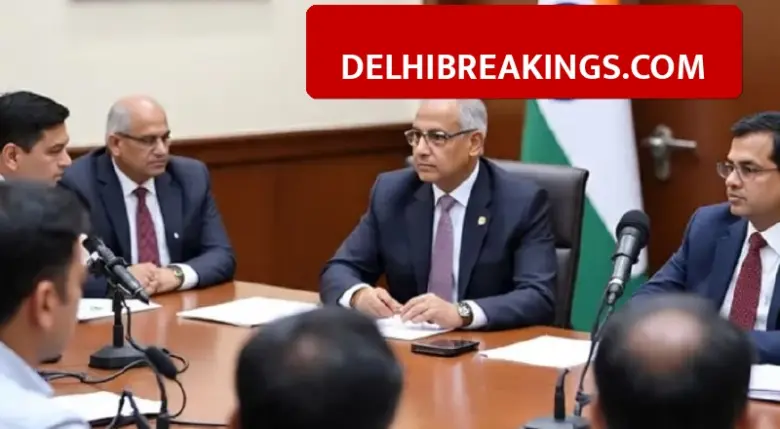
The Greater Noida Industrial Development Authority (GNIDA) has issued a strict directive to shut down illegal paying guest (PG) accommodations and hostels operating in residential sectors and villages. ACEO Srilakshmi V.S. has instructed all Work Circle officers to immediately identify and close these commercial operations running on residential land without permission. The authority has also warned that strict action will be taken against officers if they show negligence in this matter.
Which areas will face action first?
The authority has planned to execute this order in phases, starting with the most crowded residential sectors. In the first phase, teams will target Sector Alpha, Beta, and Gamma, along with 6% Abadi plots and buildings.
Work Circle officers from circle 1 to 8 have been directed to conduct field visits and verify the status of these properties. The officials must submit an immediate status report regarding the number of PGs found and the action taken.
Property owners running these establishments will be served notices first. If they fail to comply, the authority will seal the properties and may even cancel the lease deed for violating land-use norms.
Why is the authority closing these PGs?
Residential plots in Greater Noida are allotted strictly for personal living purposes. Running a PG or hostel is considered a commercial activity, which is not allowed on residential or 6% abadi land without specific mixed-use approval.
Key reasons for the crackdown include:
- Nuisance Complaints: Permanent residents have filed numerous complaints regarding noise pollution, late-night disturbances, and safety concerns.
- Infrastructure Pressure: These commercial setups put a heavy load on local sewerage, parking, and garbage management systems.
- Scale of Violation: Estimates suggest that over 1,000 illegal PGs are operating in the city, housing approximately 50,000 students.
The crackdown aims to restore the residential character of these sectors and address the safety and civic issues raised by the Residents’ Welfare Associations (RWAs).
