

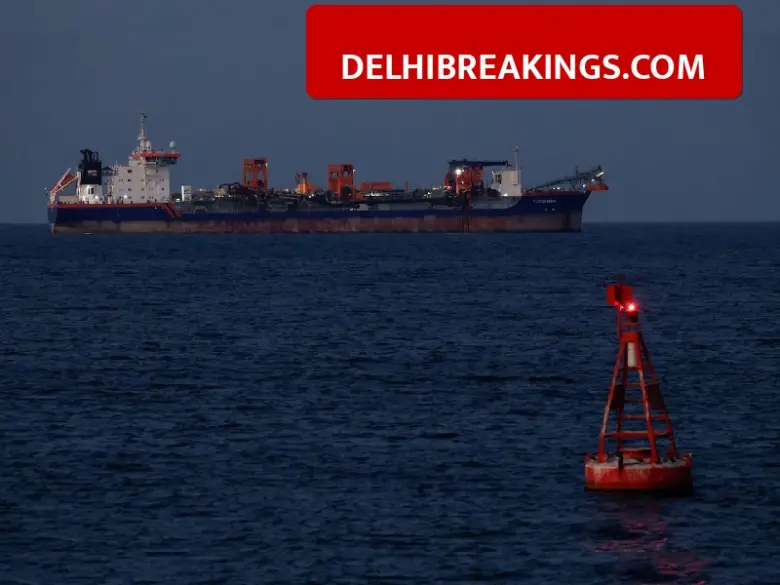
Iran has officially permitted two India-flagged liquefied petroleum gas (LPG) carriers to safely transit through the Strait of Hormuz. This major development comes after intense diplomatic discussions between India and Iran to secure energy supplies amid the ongoing maritime conflict in the region. The two tankers, identified as Pushpak and Parimal, have been granted explicit approval to cross the blockaded route without facing any strikes.
What does this mean for LPG supply in India?
The Strait of Hormuz handles approximately 90 percent of India’s LPG imports. The recent maritime blockade had caused severe cooking gas shortages, impacting both households and the hospitality sector across various cities. Prior to this diplomatic breakthrough, commercial LPG cylinder prices saw a hike of Rs 115, and domestic cylinders increased by Rs 60. Reports indicated black-marketing prices reaching up to Rs 2,500 per cylinder in some areas. The clearance of these tankers will immediately alleviate the gas shortage. Additionally, the Indian government has prioritized 100 percent supply to domestic PNG and CNG sectors while increasing domestic LPG production by 30 percent to stop panic booking.
How did India secure safe passage?
This informal agreement was secured following three rounds of critical phone talks between External Affairs Minister S. Jaishankar and Iranian Foreign Minister Abbas Araghchi on March 10. The discussions primarily focused on maritime safety and India’s energy security. Iran’s Ambassador to India, Mohammad Fathali, confirmed the safe passage protocol, citing a longstanding friendship between the two nations. He stated that Tehran will ensure the safety of Indian-bound vessels to help the Indian government mitigate the suffering of its people.
What are the current transit rules in the region?
- All vessels seeking to sail through the Strait of Hormuz must now obtain explicit approval from Iran’s Islamic Revolutionary Guard Corps (IRGC).
- While India-flagged vessels have secured safe passage, restrictions and strike risks remain active for ships linked to the US, Israel, and Europe.
- A Liberia-flagged tanker named Shenlong, carrying Saudi crude and captained by an Indian, successfully reached Mumbai port on March 12.
- The Indian Directorate General of Shipping is closely monitoring all vessel movements in the region to ensure safe transit.
