

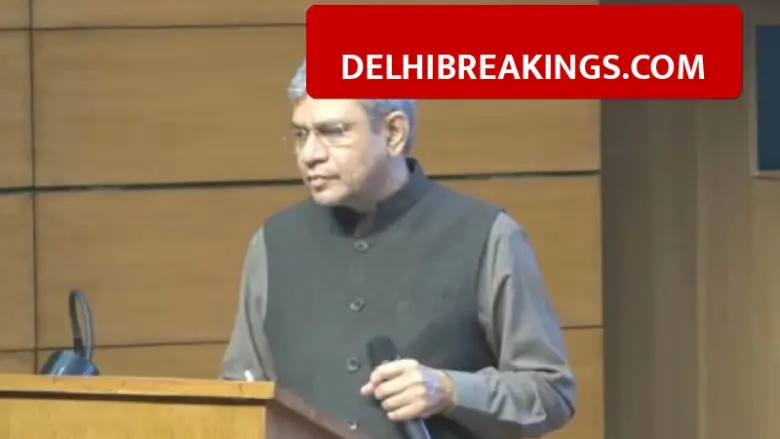
The Union Cabinet has officially approved the extension of the Noida Metro Aqua Line to improve connectivity between Noida and Greater Noida. Announced on February 14, 2026, under the chairmanship of Prime Minister Narendra Modi, this project involves a total investment of approximately ₹2,254 crore. Railways Minister Ashwini Vaishnaw highlighted that this move will support the region’s growth as a major manufacturing and service hub.
📰: Noida Metro Expansion: Cabinet Clears New Route Connecting Sector 142 to Botanical Garden।
What are the cost and timeline details?
The new corridor will add 11.56 km of elevated track to the existing network. According to the approved plan, the construction work is estimated to take 4 years to complete. The implementing agency for this project is the Noida Metro Rail Corporation (NMRC), while funding and clearance have been secured from the Central Government.
Once this extension is operational, the combined metro network for Noida and Greater Noida will exceed 61.62 km. This expansion is designed to provide a seamless link between the Aqua Line and the Delhi Metro network at the Botanical Garden station.
List of new stations on this route
The extension will run from Noida Sector 142 to the Botanical Garden interchange. This is a crucial development as Botanical Garden already serves as a hub for the Blue and Magenta lines of the Delhi Metro. The project includes the construction of 8 new elevated stations:
- Botanical Garden (Major interchange hub)
- Noida Sector 44
- Noida Office (Noida Authority)
- Noida Sector 97
- Noida Sector 105
- Noida Sector 108
- Noida Sector 93
- Panchsheel Balak Inter College
How will this benefit daily commuters?
This new route targets major commercial and IT hubs in the city. The alignment covers areas with offices of major companies like Microsoft, TCS, Havells, Infosys, and Adobe. Officials noted that this corridor will significantly reduce travel time for people commuting between Greater Noida and Delhi.
By offering a reliable public transport option, the project aims to reduce vehicular pressure on the busy Noida-Greater Noida Expressway. The government intends to provide equitable access to transport, making daily travel easier for the workforce and residents in these sectors.
