

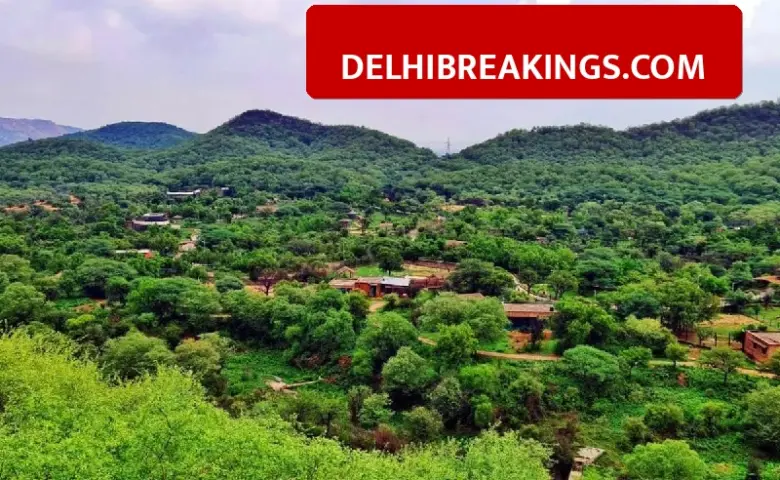
The Supreme Court of India has firmly stopped the Haryana government’s plan to build a massive jungle safari in the Aravalli range. On February 12, 2026, a bench led by Chief Justice Surya Kant rejected the state’s request to move forward with the project. The court made it clear that not even a single inch of land in the Aravallis can be touched until the exact boundaries of the range are scientifically defined by experts.
Why did the Supreme Court reject the Safari project?
The court refused permission for the state to submit a Detailed Project Report (DPR) to the Central Empowered Committee. The judges noted that the committee might give a “rosy picture” without addressing real environmental risks. Even though Haryana officials offered to reduce the project size from the original 10,000 acres to about 3,300 acres, the court stood firm. The main issue is the lack of a clear scientific definition of the Aravalli hills, which is crucial for protecting this sensitive area.
What was the plan for the Aravalli Safari?
This project was proposed as the world’s largest zoo safari, covering areas in Gurugram and Nuh districts. The government had planned to spend around ₹1,000 crore on this initiative. The facility was designed to include big cat zones, an underwater world, and bird parks. The state government argued that this was a conservation effort to fix degraded forest land. However, environmental experts and retired forest officers went to court, warning that building hotels and fences would damage the nature permanently.
How does this decision impact Delhi and NCR residents?
The Aravallis are often called the “green lung” of the region because they help clean the air and recharge groundwater for millions of people. Any large construction here could worsen the water crisis and air pollution issues in Delhi and nearby cities. The court’s “zero-tolerance” stance ensures that this natural barrier remains protected for now. The ban on mining and non-forest activities remains strictly in place until the court decides on the final boundary definition.
