

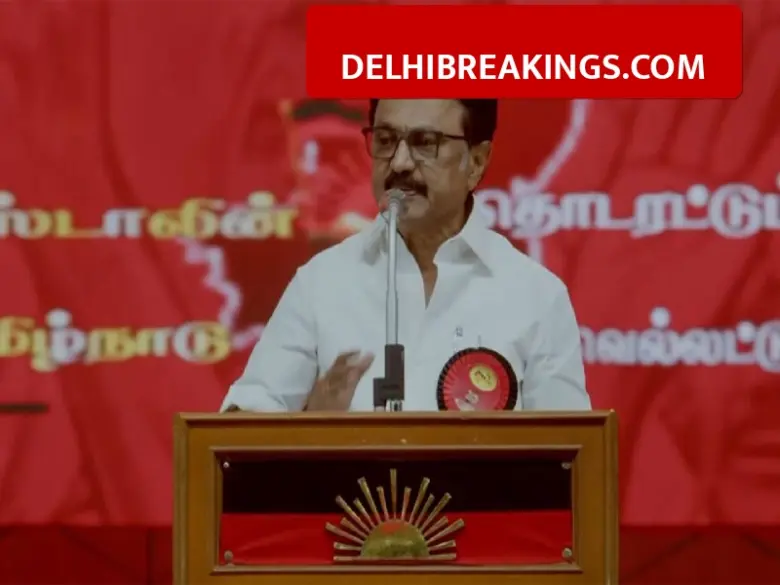
Tamil Nadu Chief Minister M K Stalin has reached out to Prime Minister Narendra Modi regarding the urgent issues arising from the ongoing West Asia conflict. On March 10, the Chief Minister wrote a letter highlighting the acute shortage of LPG cylinders in the state and the safety concerns of Tamils living in Gulf countries. The conflict has severely impacted fuel supplies, leading to a temporary halt in commercial cylinder distribution and raising operational risks for MSMEs and restaurants.
What is the current LPG situation in Tamil Nadu?
The state is facing a major energy security challenge due to the geopolitical tensions. Indian Oil Corporation’s Manali facility near Chennai has reportedly halved domestic supply and stopped the distribution of 19-kg commercial cylinders. Restaurant owners have warned that eateries might face closure within one or two days as their gas stocks are running out. Domestic consumers also faced problems when booking phone lines became non-functional recently. To mitigate this, the Union Government revised gas allocation on March 11, placing LPG, CNG, and piped gas on the top priority list.
How is the government protecting Tamils abroad?
Ensuring the safety of the diaspora is a primary concern for the state administration. The Chief Minister has requested the Central Government to track and secure the safe return of Tamil Nadu fishermen stranded in the affected waters near the conflict zone. Along with fishermen, the welfare of Tamils working in various Gulf countries is also being closely monitored. This comes as crude oil futures dropped by around 8 percent to 8,069 rupees per barrel on hopes of de-escalation in the region.
What steps are being taken for local businesses?
The fuel shortage is directly affecting Micro, Small, and Medium Enterprises (MSMEs) and the hospitality sector. Industry bodies, including the Chennai Hotels Association, are urging the government to bring restaurants under the Essential Services Maintenance Act (ESMA) to ensure uninterrupted operations. CM Stalin chaired a high-level review meeting to assess these economic impacts. The state government has also requested the Centre to provide additional power supplies to bridge the energy gap for commercial establishments.
