

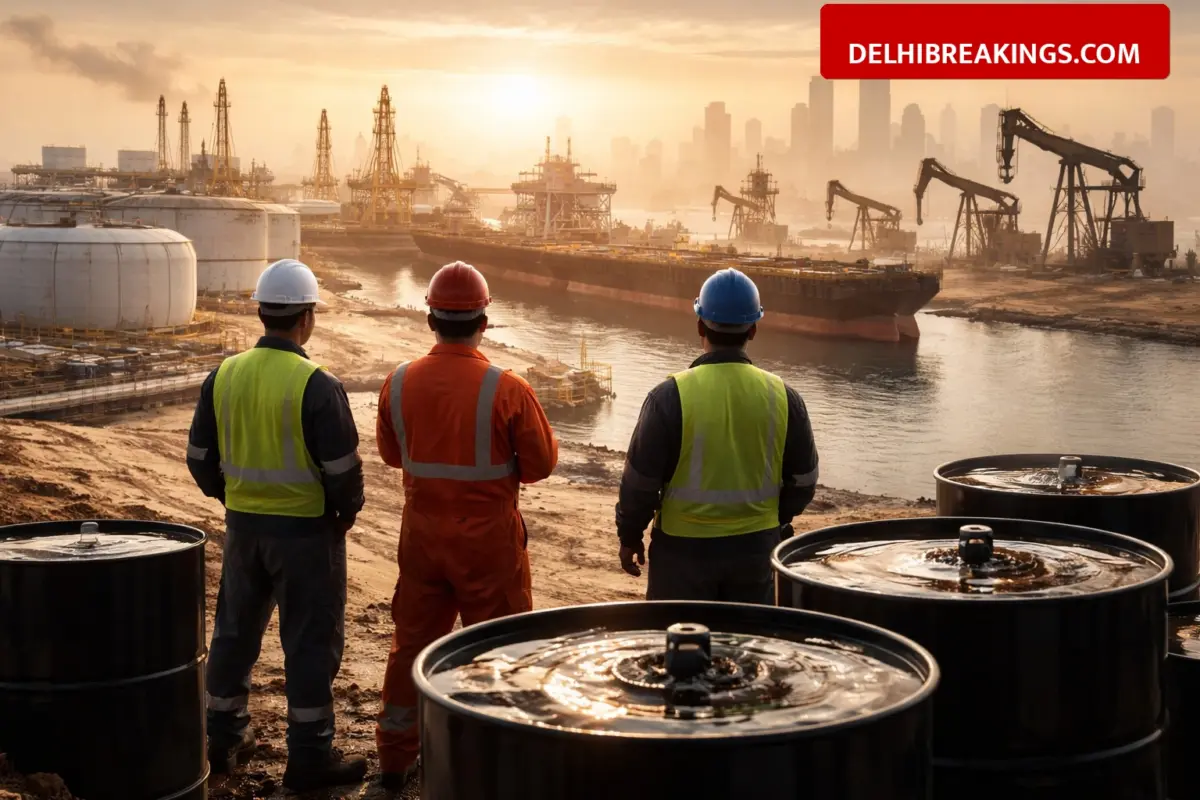
TotalEnergies and other major global energy players have announced a massive halt in energy production across Qatar, Iraq, and offshore sites in the United Arab Emirates. This major decision, confirmed by international agencies on March 12, 2026, comes as a direct result of escalating regional conflicts in the Middle East. The sudden suspension of operations has created severe supply chain disruptions and triggered a sharp rise in global fuel prices, which will directly affect daily commuters and transport sectors worldwide.
Why Companies Halted Operations in the Gulf
TotalEnergies, along with Shell, officially declared force majeure on liquefied natural gas supplies coming from Qatar. This legal step allows them to pause their delivery obligations to buyers in Europe and Asia due to situations beyond their control. The regional shutdowns are affecting different countries for specific security and operational reasons.
- Qatar: Operations were halted following drone strikes on key facilities like Ras Laffan and Mesaieed. This led QatarEnergy to stop all chemical and downstream output.
- Iraq: Production is suspended due to high security risks and recent attacks on oil tankers near the Basra region.
- UAE: Offshore production sites have been temporarily closed down as a strict precautionary safety measure to protect workers and assets.
Impact on Global Markets and Local Fuel Prices
The International Energy Agency reported that Gulf countries have cut total oil production by at least 10 million barrels per day. This massive reduction means the global supply will drop by 8 million barrels per day in March alone. Because of this sudden shortage and the virtual halt of shipping through the Strait of Hormuz, benchmark crude oil prices jumped by 20 dollars per barrel.
Brent crude has now crossed the 100-dollar mark. For common residents and expats living in the Gulf, this directly affects daily expenses. The UAE Ministry of Energy has already raised petrol and diesel prices for March 2026. To control the global market panic, the United States and IEA allies announced a coordinated release of 400 million barrels of oil from their emergency reserves.
Production Restarts in Libya Despite Crisis
While the Middle East faces severe shutdowns, TotalEnergies shared a contrasting update from North Africa. The company announced the restart of production at the Mabruk oil field in Libya after an 11-year gap. This specific project aims to produce 25,000 barrels of oil per day.
Julien Pouget, the MENA Director for TotalEnergies, stated that the company remains committed to its long-term goals in the region despite the ongoing crisis. The decision to resume work in Libya shows their strategy to balance the current energy deficit while managing safety risks in other Middle Eastern nations.
