

The ongoing conflict involving Iran, Israel, and the US in West Asia has started affecting Indian trade significantly. With the Strait of Hormuz facing closure threats, shipping lines are disrupted. This has led to a major blockage of Basmati rice exports and is pushing up crude oil prices, which directly impacts the common man’s pocket and the economy.
Why Oil Prices are Rising?
India imports about 50% of its crude oil and large amounts of LPG through the Strait of Hormuz. Due to the tension, tanker movement has slowed down significantly. Brent crude prices have already crossed $80-$85 per barrel. Experts state that even a one-dollar increase in oil prices adds nearly $2 billion to India’s annual import bill. To manage this, the government is considering increasing oil imports from Russia to keep supplies steady.
Basmati Rice Stuck at Ports
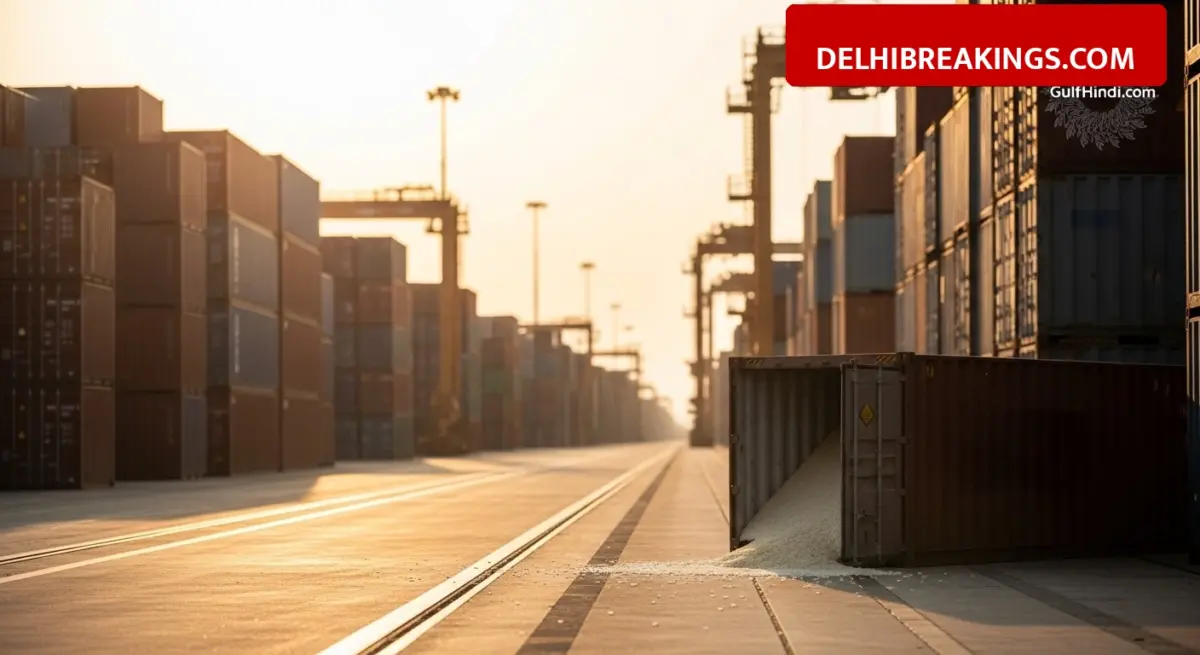
The situation is tough for rice exporters as 2 lakh to 4 lakh tonnes of Basmati rice are currently sitting at Kandla and Mundra ports. Reports indicate that around 3,000 to 6,000 containers are unable to move due to the shipping blockade. Major buyers like Saudi Arabia, Iran, and UAE are waiting for these shipments. Since Iran buys nearly 40% of India’s Basmati, this stoppage has caused wholesale prices of Basmati to drop by 7-10% in local markets.
Impact on Farmers and Exporters
The blockage is creating financial stress for both traders and farmers in northern India.
- Freight Cost: Shipping rates have jumped from $1,500 to nearly $4,500 per container due to the risk.
- Farmer Income: This crisis directly hurts 25-30 lakh farmer families in Punjab and Haryana who grow this rice.
- Extra Charges: Exporters are paying heavy demurrage charges for goods stuck at ports daily.
- Advisory: The Indian Rice Exporters Federation (IREF) has asked traders to sign deals carefully to avoid losses.
