

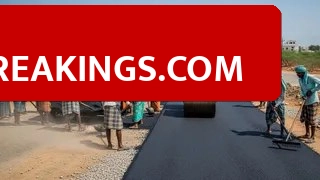
The ongoing conflict in West Asia is causing a significant ripple effect on infrastructure projects in the national capital. Road construction materials in Delhi have become 30 to 35 percent more expensive, making it difficult for the government to meet its development goals. While the target was set for 400 kilometers of road construction, the current shortage of bitumen and blades imported from Germany means that completing even 150 kilometers now looks like a major challenge for the authorities.
ℹ: Delhi Police Arrest Two Youths in Shahdara District for Car Theft, Stolen Maruti Baleno Recovered।
How much have material prices increased?
The prices of essential materials have spiked due to supply chain disruptions and the energy crisis caused by the war. Contractors and industry experts have noted significant jumps in the costs of various components required for road building. These increases are putting a strain on existing budgets and delaying several local projects.
| Material Type | Estimated Price Increase |
|---|---|
| Road Construction Material (Overall) | 30% – 35% |
| Bitumen and Fuel | 20% – 25% |
| Steel and Electrical Items | 15% – 18% |
| National Highway Project Costs | 5% – 8% |
What is the official response to the crisis?
The Delhi government had planned a budget of ₹5921 crore for road infrastructure for 2026-27, aiming to re-carpet 750 km of roads. However, contractors are facing difficulties due to these rising costs and supply issues. Despite these reports from the ground, the Indian Oil Corporation (IOC) has denied any shortage of bitumen, stating that companies should collect their allotted material. Meanwhile, the central government has assured the public that there is no shortage of petrol or diesel in the country, urging people to avoid panic buying. Experts suggest that recycling existing roads and using warm mix asphalt could be potential alternatives to manage the rising expenses.
